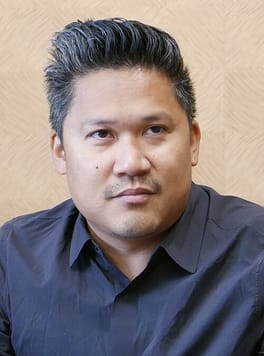
Photo: dmgice / CC BY 2.0 (source: Wikimedia Commons)
Dante Basco is listed as a film actor, television actor and voice actor. Dante Basco was born on August 29, 1975 in Pittsburg, California, United States. That works out to 51 years old in 2026. Schooling on record includes Los Alamitos High School. Credited works include The Perfect Weapon.
My Take
Dante Basco is a fascinating case of an actor beloved across generations through completely different doors. Some know him as Rufio from Hook, others as Prince Zuko in Avatar: The Last Airbender, never seeing his face yet hanging on every line. That voice work alone proves leading-man magnetism doesn't require a camera. As a Filipino-American who leaned into his roots with films like The Debut, he's carried cultural representation without making it a gimmick. The range, from rapper to voice actor to dramatic lead, tells me he's driven by sheer expressive appetite. I have a real soft spot for performers this multifaceted.
This take was written by generative AI, one per person, from publicly reported facts (editorial policy). It is a reading of the record, not reporting.
1. Profile
- Name (English)
- Dante Basco
- Name (Japanese)
- ダンテ・バスコ
- Reading
- だんて・ばすこ
- Born
- August 29, 1975 (age 51)
- Origin
- Pittsburg, California, United States
- Occupation
- film actor / television actor / voice actor / rapper / actor
- Zodiac / Chinese zodiac
- Virgo / Rabbit
2. Background
- High school
- Los Alamitos High School
3. Works & records
Filmography / notable works
| Category | Title |
|---|---|
| Notable work | The Perfect Weapon |
4. Links
5. About this entry
Tags
- Last updated
Facts are limited to publicly available information up to 2024; non-public or unconfirmed items are omitted. English text is machine-assisted (facts translated by Sonnet, "My Take" written by Opus 4.8). The Japanese page is the source of record.
Frequently asked questions
When was Dante Basco born?
Dante Basco was born on August 29, 1975 and is 51 years old.
Where is Dante Basco from?
Dante Basco is from Pittsburg, California, United States.
What does Dante Basco do?
Dante Basco works as film actor, television actor, voice actor, rapper, actor.
Which high school did Dante Basco attend?
Dante Basco attended Los Alamitos High School.
What is Dante Basco known for?
Dante Basco's notable works include The Perfect Weapon.
Film actor — see all → · Television actor — see all → · More people from the United States → · More people born on August 29 →