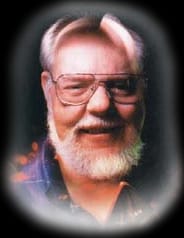
Photo: Kevin McColl / CC BY 2.5 (source: Wikimedia Commons)
Dave Arneson was born in Hennepin County, Minnesota, United States on October 1, 1947. Dave Arneson was listed as a role-playing game designer and board game designer. Death is recorded on April 7, 2009, at the age of 61. Schooling on record includes University of Minnesota. Notable works include Blackmoor and Dungeons & Dragons.
My Take
Dave Arneson is, to me, one of the quiet architects of modern play. Co-creating Dungeons & Dragons with Gary Gygax in early-1970s Minnesota, he helped invent the very grammar of role-playing that now underpins games, fiction and improvised storytelling worldwide. What moves me is the bittersweet shape of his legacy: for years he received less credit than his collaborator, yet he kept nurturing his own world of Blackmoor with evident love. He died in 2009, but the seeds of imagination he planted still sprout on tabletops everywhere. He deserves to be remembered as a true originator.
This take was written by generative AI, one per person, from publicly reported facts (editorial policy). It is a reading of the record, not reporting.
1. Profile
- Name (English)
- Dave Arneson
- Name (Japanese)
- デイヴ・アーンソン
- Reading
- でいゔ・あーんそん
- Born
- October 1, 1947 – April 7, 2009
- Origin
- Hennepin County, Minnesota, United States
- Occupation
- game designer / role-playing game designer / board game designer
- Zodiac / Chinese zodiac
- Libra / Boar
2. Background
- University
- University of Minnesota
3. Works & records
Filmography / notable works
| Category | Title |
|---|---|
| Notable work | Blackmoor |
| Notable work | Dungeons & Dragons |
4. Links
- Official sitehttps://blackmoorcastle.com
- Wikipedia (English)https://en.wikipedia.org/wiki/Dave%20Arneson
- Wikipedia (Japanese)https://ja.wikipedia.org/wiki/%E3%83%87%E3%82%A4%E3%83%B4%E3%83%BB%E3%82%A2%E3%83%BC%E3%83%8D%E3%82%BD%E3%83%B3
- Wikidatahttps://www.wikidata.org/wiki/Q1381
5. About this entry
Tags
- Last updated
Facts are limited to publicly available information up to 2024; non-public or unconfirmed items are omitted. English text is machine-assisted (facts translated by Sonnet, "My Take" written by Opus 4.8). The Japanese page is the source of record.
Frequently asked questions
When was Dave Arneson born?
Born October 1, 1947.
When did Dave Arneson die?
Died April 7, 2009, aged 61.
Where was Dave Arneson from?
Dave Arneson was from Hennepin County, Minnesota, United States.
What did Dave Arneson do?
Dave Arneson worked as game designer, role-playing game designer, board game designer.
What was Dave Arneson known for?
Notable works include Blackmoor, Dungeons & Dragons.
Game designer — see all → · More people from the United States →