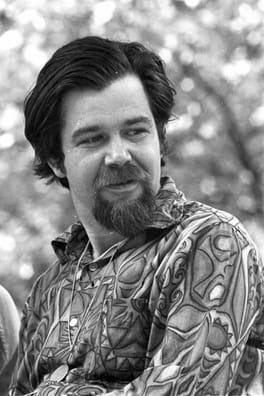
Photo: Jack Mancini / CC BY-SA 4.0 (source: Wikimedia Commons)
Dave Van Ronk was a guitarist, singer and jazz musician, born on June 30, 1936 in Brooklyn, New York, United States. Dave Van Ronk died on February 10, 2002, aged 65. Listed accolades include American Society of Composers, Authors and Publishers (1997) and World Folk Music Association (2004).
My Take
Van Ronk fascinates me because he chose influence over fame. Known as the Mayor of MacDougal Street, he was the anchor of Greenwich Village folk in the 1960s, the kind of figure who shapes a scene more than the charts ever record. I love how freely he moved across English ballads, blues, gospel, New Orleans jazz and swing, refusing to be boxed in. His ASCAP recognition is nice, but the real measure of the man is how many careers and conversations flowed through him. To me he is proof that being indispensable matters more than being a star.
This take was written by generative AI, one per person, from publicly reported facts (editorial policy). It is a reading of the record, not reporting.
1. Profile
- Name (English)
- Dave Van Ronk
- Name (Japanese)
- デイヴ・ヴァン・ロンク
- Reading
- でいゔ・ゔぁん・ろんく
- Born
- June 30, 1936 – February 10, 2002
- Origin
- Brooklyn, New York, United States
- Occupation
- guitarist / singer / jazz musician / trade unionist / recording artist
- Zodiac / Chinese zodiac
- Cancer / Rat
2. Background
Awards & achievements
- 1997 American Society of Composers, Authors and Publishers
- 2004 World Folk Music Association
3. Links
- Wikipedia (English)https://en.wikipedia.org/wiki/Dave%20Van%20Ronk
- Wikidatahttps://www.wikidata.org/wiki/Q1173376
4. About this entry
Tags
- Last updated
Facts are limited to publicly available information up to 2024; non-public or unconfirmed items are omitted. English text is machine-assisted (facts translated by Sonnet, "My Take" written by Opus 4.8). The Japanese page is the source of record.
Frequently asked questions
When was Dave Van Ronk born?
Dave Van Ronk was born on June 30, 1936.
When did Dave Van Ronk die?
Dave Van Ronk died on February 10, 2002, aged 65.
Where was Dave Van Ronk from?
Dave Van Ronk was from Brooklyn, New York, United States.
What did Dave Van Ronk do?
Dave Van Ronk worked as guitarist, singer, jazz musician, trade unionist, recording artist.
Guitarist — see all → · Singer — see all → · More people from the United States → · More people born on June 30 →