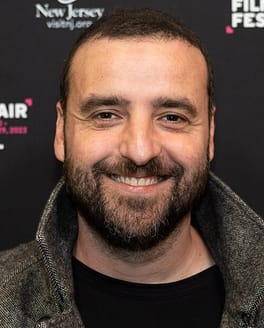
Photo: Montclair Film / CC BY 2.0 (source: Wikimedia Commons)
David Krumholtz, born on May 15, 1978 in New York City, New York, United States, is a film actor, stage actor and television actor. David Krumholtz is 48 years old as of 2026. Schooling on record includes Forest Hills High School and New York University.
My Take
David Krumholtz is my favorite species of actor: the one whose face you have trusted for thirty years before you ever learned his name. Watch him jump from Bernard the elf to a crime-solving mathematician on Numb3rs to a quietly devastating Isidor Rabi in Oppenheimer, and the through-line is total believability at any scale. Child actors rarely survive into steady adult careers; he did it without scandal or reinvention gimmicks, just consistent work. I would argue performers like him are the load-bearing walls of American film and television — stars sell the tickets, but character actors like Krumholtz make the stories stand up.
This take was written by generative AI, one per person, from publicly reported facts (editorial policy). It is a reading of the record, not reporting.
1. Profile
- Name (English)
- David Krumholtz
- Name (Japanese)
- デヴィッド・クラムホルツ
- Reading
- でゔぃっど・くらむほるつ
- Born
- May 15, 1978 (age 48)
- Origin
- New York City, New York, United States
- Occupation
- film actor / stage actor / television actor / photographer / screenwriter
- Zodiac / Chinese zodiac
- Taurus / Horse
2. Background
- High school
- Forest Hills High School
- University
- New York University
3. Links
4. About this entry
Tags
- Last updated
Facts are limited to publicly available information up to 2024; non-public or unconfirmed items are omitted. English text is machine-assisted (facts translated by Sonnet, "My Take" written by Opus 4.8). The Japanese page is the source of record.
Frequently asked questions
When was David Krumholtz born?
Born May 15, 1978 (age 48).
Where is David Krumholtz from?
David Krumholtz is from New York City, New York, United States.
What does David Krumholtz do?
David Krumholtz works as film actor, stage actor, television actor, photographer, screenwriter.
Film actor — see all → · Stage actor — see all → · More people from the United States →