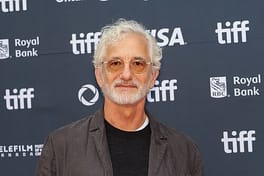
Photo: Desmond Herzfelder / CC BY 4.0 (source: Wikimedia Commons)
Born on September 15, 1960, Ed Solomon is from Saratoga, California, United States. Ed Solomon is a writer, film director and film producer. That works out to 66 years old in 2026. Schooling on record includes Saratoga High School and University of California, Los Angeles.
My Take
Ed Solomon is, to me, proof that great comedy writing is secretly precise engineering. Anyone can scribble a goofy time-travel romp, but Bill & Ted endures because its sweetness is calibrated, not accidental. Then he turns around and writes Men in Black and Now You See Me, juggling sci-fi deadpan and sleight-of-hand plotting with equal ease. That range tells me he genuinely loves entertaining people rather than impressing critics. A Saratoga kid who went through UCLA and never lost his playful instinct, Solomon is the kind of unpretentious craftsman whose movies still send me out of the theater grinning.
This take was written by generative AI, one per person, from publicly reported facts (editorial policy). It is a reading of the record, not reporting.
1. Profile
- Name (English)
- Ed Solomon
- Name (Japanese)
- エド・ソロモン
- Reading
- えど・そろもん
- Born
- September 15, 1960 (age 66)
- Origin
- Saratoga, California, United States
- Occupation
- writer / film director / film producer / screenwriter / actor
- Zodiac / Chinese zodiac
- Virgo / Rat
2. Background
- High school
- Saratoga High School
- University
- University of California, Los Angeles
3. Links
4. About this entry
Tags
- Last updated
Facts are limited to publicly available information up to 2024; non-public or unconfirmed items are omitted. English text is machine-assisted (facts translated by Sonnet, "My Take" written by Opus 4.8). The Japanese page is the source of record.
Frequently asked questions
When was Ed Solomon born?
Born September 15, 1960 (age 66).
Where is Ed Solomon from?
Ed Solomon is from Saratoga, California, United States.
What does Ed Solomon do?
Ed Solomon works as writer, film director, film producer, screenwriter, actor.
Writer — see all → · Film director — see all → · More people from the United States →