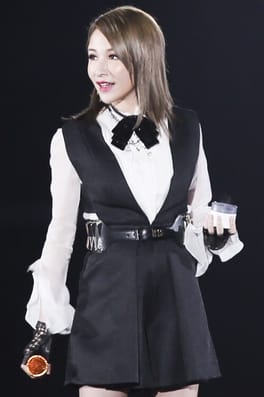
Photo: 摄影师俊熙 / CC BY 2.5 (source: Wikimedia Commons)
Elva Hsiao was born in Zhongli District, Taiwan on August 24, 1979. Elva Hsiao is credited as a singer, actor and film director. The age as of 2026 is 47.
My Take
Elva Hsiao occupies a special place in Mandopop as one of the so-called Four Little Divas, and I think her longevity is the most telling fact about her. Plenty of singers ride one wave of R&B-tinged ballads and vanish; she kept reinventing, moving from singer to actor to film director. That restless curiosity is what earns my respect. In an Asian pop market that chews through stars at brutal speed, staying relevant for decades demands a clear artistic core, not just hits. I read her as an artist who refuses to be defined by a single role, and that ambition is genuinely compelling.
This take was written by generative AI, one per person, from publicly reported facts (editorial policy). It is a reading of the record, not reporting.
1. Profile
- Name (English)
- Elva Hsiao
- Name (Japanese)
- 蕭亜軒
- Reading
- しゃお・やーしゅえん
- Born
- August 24, 1979 (age 47)
- Origin
- Zhongli District, Taiwan
- Occupation
- singer / actor / film director
- Zodiac / Chinese zodiac
- Virgo / Goat
2. Links
- Official sitehttp://www.lovelva.com
- Instagramhttps://www.instagram.com/hsiaoelva/
- Xhttps://x.com/ELhsiao
- Wikipedia (English)https://en.wikipedia.org/wiki/Elva%20Hsiao
- Wikipedia (Japanese)https://ja.wikipedia.org/wiki/%E8%95%AD%E4%BA%9C%E8%BB%92
- Wikidatahttps://www.wikidata.org/wiki/Q241604
3. About this entry
Tags
- Last updated
Facts are limited to publicly available information up to 2024; non-public or unconfirmed items are omitted. English text is machine-assisted (facts translated by Sonnet, "My Take" written by Opus 4.8). The Japanese page is the source of record.
Frequently asked questions
When was Elva Hsiao born?
Born August 24, 1979 (age 47).
Where is Elva Hsiao from?
Elva Hsiao is from Zhongli District, Taiwan.
What does Elva Hsiao do?
Elva Hsiao works as singer, actor, film director.
Singer — see all → · Actor — see all → · More people from Taiwan →