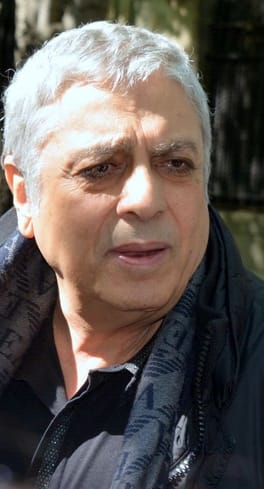
Photo: Georges Biard / CC BY-SA 3.0 (source: Wikimedia Commons)
Enrico Macias was born in Constantine, Constantine Province, Algeria on December 11, 1938. Enrico Macias is listed as a singer-songwriter, recording artist and actor. The age as of 2026 is 87. Listed accolades include Officer of the Legion of Honour (1985), Commandeur des Arts et des Lettres (2006), Victory of honor (2013) and 1 more.
My Take
Enrico Macias moves me more than almost anyone in this batch. Born in Constantine, Algeria, uprooted by the war of independence, he crossed to France with little more than a guitar and turned exile into song. Folding the melancholy of Arab-Andalusian music into French chanson, he gave displacement a melody that belongs to no border. Yes, he won the Legion of Honour and the Arts and Letters medal, but the honours are not what stir me. It is his stubborn determination to reclaim a lost homeland through music, and his wish to bridge warring peoples with melody.
This take was written by generative AI, one per person, from publicly reported facts (editorial policy). It is a reading of the record, not reporting.
1. Profile
- Name (English)
- Enrico Macias
- Name (Japanese)
- エンリコ・マシアス
- Reading
- えんりこ・ましあす
- Born
- December 11, 1938 (age 87)
- Origin
- Constantine, Constantine Province, Algeria
- Occupation
- singer-songwriter / recording artist / actor / debater / singer
- Zodiac / Chinese zodiac
- Sagittarius / Tiger
2. Background
Awards & achievements
- 1985 Officer of the Legion of Honour
- 2006 Commandeur des Arts et des Lettres
- 2013 Victory of honor
- 2012 Francine and Antoine Bernheim Award for Arts, Literature and Science
3. Links
4. About this entry
Tags
- Last updated
Facts are limited to publicly available information up to 2024; non-public or unconfirmed items are omitted. English text is machine-assisted (facts translated by Sonnet, "My Take" written by Opus 4.8). The Japanese page is the source of record.
Frequently asked questions
When was Enrico Macias born?
Enrico Macias was born on December 11, 1938 and is 87 years old.
Where is Enrico Macias from?
Enrico Macias is from Constantine, Constantine Province, Algeria.
What does Enrico Macias do?
Enrico Macias works as singer-songwriter, recording artist, actor, debater, singer.
Singer-songwriter — see all → · Recording artist — see all → · More people from Algeria → · More people born on December 11 →