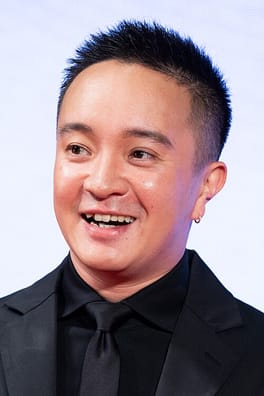
Photo: Dick Thomas Johnson from Tokyo, Japan / CC BY 2.0 (source: Wikimedia Commons)
My Take
I have a soft spot for Gaku Hamada, the kind of actor who's been on my screen since he was a kid and somehow never wore out his welcome. He's not the towering leading-man type, and that's exactly the trick: he walks into a frame and just owns the room with this everyman face that grins one second and goes flint-eyed serious the next. Whether he's carrying a film or tucked into the supporting cast, I feel that quiet relief of "okay, we're in good hands now." There's no look-at-me ego to him, yet you blink and realize he's somehow ended up dead center of the whole story. To me he's the ultimate reliable craftsman, a guy who makes acting look like breathing, and I'll happily watch him do almost anything.
This take was written by generative AI, one per person, from publicly reported facts (editorial policy). It is a reading of the record, not reporting.
Story
The Man Who Always Ends Up at the Center: The Quiet Power of Gaku Hamada
Overview
Gaku Hamada is a Japanese actor born on June 28, 1988, in Tokyo. He began his career as a child actor and has remained active in Japanese film and television. He attended Dokkyo Junior and Senior High School. His Instagram account is maintained under the handle gaku_hamada_official.
1. Profile
- Name (English)
- Gaku Hamada
- Name (Japanese)
- 濱田岳
- Reading
- はまだ がく
- Born
- June 28, 1988 (age 38)
- Origin
- Tokyo, Japan
- Height
- 160 cm
- Occupation
- Actor / Child Actor
- Zodiac / Chinese zodiac
- Cancer / Dragon
- Blood type
- A
- Agency
- Stardust Promotion
- Active years
- 1998 -
2. Background
- High school
- Dokkyo Junior and Senior High School
3. Works & records
Works summary
- Appearances
- 272 (1998–2026)
- By year (titles with a known year)
- 1998: 2, 1999: 3, 2000: 5, 2001: 1, 2002: 3, 2004: 2, 2005: 3, 2006: 7, 2007: 10, 2008: 7, 2009: 8, 2010: 17, 2011: 13, 2012: 14, 2013: 17, 2014: 13, 2015: 18, 2016: 22, 2017: 14, 2018: 7, 2019: 10, 2020: 9, 2021: 12, 2022: 12, 2023: 8, 2024: 8, 2025: 8, 2026: 7, year unknown: 12
- Debut work
- Hitoribocchi no Kimi ni
Filmography / notable works
| Category | Title | Year |
|---|---|---|
| Film | 教場 Requiem | 2026 |
| Film | 汝、星のごとく | 2026 |
| TV drama | VIVANT 第2シーズン | 2026 |
| TV drama | 探偵さん、リュック開いてますよ | 2026 |
| TV drama | BLOOD & SWEAT | 2026 |
| TV drama | 刑事、ふりだしに戻る | 2026 |
| Streaming film | 教場 Reunion | 2026 |
| TV drama | Pararescue Jumper | 2025 |
| TV drama | another story 救難員・仁科蓮 最後の任務 | 2025 |
| CM | おいしい時間帯 | 2025 |
| CM | おいしい時間帯(Lが無料) | 2025 |
| 世界熱中ひとり旅 濱田岳×アメリカ〜南北戦争 平和に“取りつかれた”大富豪〜 | 2025 | |
| Streaming drama | サブスクおじいちゃん | 2025 |
| Streaming drama | イクサガミ | 2025 |
| Music video | スパイス | 2025 |
| TV drama | 大川と小川の休日捜査 | 2024 |
| TV drama | 春になったら | 2024 |
| TV drama | 日越外交関係樹立50周年記念ドラマ ベトナムのひびき | 2024 |
| TV drama | 黄金の刻〜服部金太郎物語〜 | 2024 |
| TV drama | Shinjuku Field Hospital | 2024 |
| CM | 黄金の味 濃厚焙煎ごま | 2024 |
| パクス・ヒュマーナ 〜平和という“奇跡”〜 | 2024 | |
| 濱田岳 ルワンダの旅 〜悲劇を超えて、未来へ〜 | 2024 | |
| Film | 湯道 | 2023 |
| TV drama | 風間公親-教場0- 第6話・最終話 | 2023 |
| TV drama | 警視庁アウトサイダー | 2023 |
| TV drama | 探偵ロマンス | 2023 |
| TV drama | VIVANT 第3話 - 第7話 | 2023 |
| TV drama | 最後の一年 | 2023 |
| CM | 大戸屋 | 2023 |
| Streaming drama | スター | 2023 |
| Film | What to Do With the Dead Kaiju? | 2022 |
| Film | HOMESTAY | 2022 |
| Film | とんび | 2022 |
| Film | 七人の秘書 THE MOVIE | 2022 |
| DEEMO サクラノオト -あなたの奏でた音が、今も響く- | 2022 | |
| TV drama | My Family | 2022 |
| TV drama | 拾われた男 LOST MAN FOUND 第5話 | 2022 |
| TV drama | 新・信長公記〜クラスメイトは戦国武将〜 | 2022 |
| TV drama | 大川と小川の時短捜査 | 2022 |
| CM | NEXCO東日本 | 2022 |
| Streaming drama | Kamen Rider Black Sun | 2022 |
| Streaming drama | First Love | 2022 |
| Film | By Players ~ If 100 famous side roles make a movie ~ | 2021 |
| Film | 鳩の撃退法 | 2021 |
| TV drama | 麒麟がくる 最終回 | 2021 |
| TV drama | Come Come Everybody | 2021 |
| TV drama | 教場II | 2021 |
| TV drama | バイプレイヤーズ〜名脇役の森の100日間〜 第1話 | 2021 |
| TV drama | FFF | 2021 |
| TV drama | Shefu wa meitantei | 2021 |
| TV drama | 特攻兵の幸福食堂 | 2021 |
| TV drama | じゃない方の彼女 | 2021 |
| CM | 大日本印刷 | 2021 |
| Streaming drama | 雨に叫べば | 2021 |
| Film | グッドバイ〜嘘からはじまる人生喜劇〜 | 2020 |
| Film | コンフィデンスマンJP -プリンセス編- | 2020 |
| Film | A Beloved Wife | 2020 |
| Film | おらおらでひとりいぐも | 2020 |
| TV drama | コインランドリー | 2020 |
4. Links
- Instagramhttps://www.instagram.com/gaku_hamada_official/
- Wikipedia (Japanese)https://ja.wikipedia.org/wiki/%E6%BF%B1%E7%94%B0%E5%B2%B3
- Wikidatahttps://www.wikidata.org/wiki/Q1092007
5. About this entry
Tags
- Last updated
Only publicly available facts are listed; non-public or unconfirmed items are omitted. Base data was compiled from Wikidata from June 2026 onward; ages are recalculated daily and deaths are checked against Wikidata on an ongoing basis. Works and profile fields sourced from Wikipedia reflect content as of 2026-08-26. English text is machine-assisted (facts translated by Sonnet, "My Take" written by Opus 4.8). The Japanese page is the source of record.
Frequently asked questions
When was Gaku Hamada born?
Gaku Hamada was born on June 28, 1988 and is 38 years old.
Where is Gaku Hamada from?
Gaku Hamada is from Tokyo, Japan.
What does Gaku Hamada do?
Gaku Hamada works as Actor, Child Actor.
How tall is Gaku Hamada?
Gaku Hamada is 160 cm tall.
What is Gaku Hamada's blood type?
Gaku Hamada's blood type is A.
Which high school did Gaku Hamada attend?
Gaku Hamada attended Dokkyo Junior and Senior High School.
What agency is Gaku Hamada with?
Gaku Hamada is with Stardust Promotion.
How long has Gaku Hamada been active?
Gaku Hamada has been active since 1998.
What is Gaku Hamada known for?
Gaku Hamada's notable works include BLOOD & SWEAT, HOMESTAY, FFF.
Actor — see all → · Child Actor — see all → · More people from Japan → · More people born on June 28 →