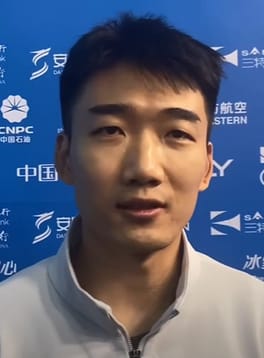
Photo: China News Service / CC BY 3.0 (source: Wikimedia Commons)
Gao Tingyu is credited as a speed skater. Gao Tingyu was born on December 15, 1997 in Yichun, People's Republic of China. The age as of 2026 is 28. Education on record includes Harbin Sport University.
My Take
Gao Tingyu is the kind of athlete I instinctively root for. Born in Yichun and trained at Harbin Sport University, he delivered when it mattered most, taking gold and the Olympic record in the men's 500m at Beijing 2022. Speed skating at that distance is a brutal compression of a career into thirty-something seconds, and doing it on home ice with a nation watching takes a temperament I genuinely respect. That he carried China's flag at both the opening and closing ceremonies tells me how much trust he commands. Born in 1997, he still feels like an athlete with chapters left to write.
This take was written by generative AI, one per person, from publicly reported facts (editorial policy). It is a reading of the record, not reporting.
1. Profile
- Name (English)
- Gao Tingyu
- Name (Japanese)
- ガオ・ティンユ
- Reading
- がお・てぃんゆ
- Born
- December 15, 1997 (age 28)
- Origin
- Yichun, People's Republic of China
- Occupation
- speed skater
- Zodiac / Chinese zodiac
- Sagittarius / Ox
2. Background
- University
- Harbin Sport University
3. Links
- Instagramhttps://www.instagram.com/gao.tingyu/
- Wikipedia (English)https://en.wikipedia.org/wiki/Gao%20Tingyu
- Wikipedia (Japanese)https://ja.wikipedia.org/wiki/%E9%AB%98%E4%BA%AD%E5%AE%87
- Wikidatahttps://www.wikidata.org/wiki/Q27935244
4. About this entry
Tags
- Last updated
Facts are limited to publicly available information up to 2024; non-public or unconfirmed items are omitted. English text is machine-assisted (facts translated by Sonnet, "My Take" written by Opus 4.8). The Japanese page is the source of record.
Frequently asked questions
When was Gao Tingyu born?
Born December 15, 1997 (age 28).
Where is Gao Tingyu from?
Gao Tingyu is from Yichun, People's Republic of China.
What does Gao Tingyu do?
Gao Tingyu works as speed skater.
Speed skater — see all → · More people from the People's Republic of China →