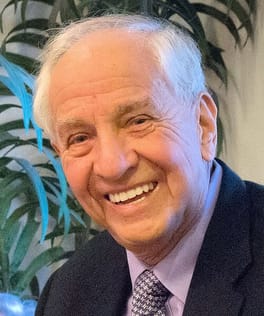
Photo: Louise Palanker / CC BY-SA 2.0 (source: Wikimedia Commons)
Garry Marshall was a film director, film producer and screenwriter, born on November 13, 1934 in The Bronx, New York, United States. Death is recorded on July 19, 2016, at the age of 81. Garry Marshall was educated at DeWitt Clinton High School and Northwestern University. Recorded honors include Laurel Award for TV Writing Achievement (2014), Valentine Davies Award (1995), Disney Legends (2017) and 2 more.
My Take
Garry Marshall is one of those rare people who just seemed to understand what audiences actually wanted — warmth, humor, and a happy ending — and he delivered it decade after decade without apology. The guy who started as a TV writer for The Dick Van Dyke Show went on to create Happy Days and Laverne & Shirley, basically defining the feel of 1970s American pop culture. Then he pivoted to film and gave us Pretty Woman, which by any cynical measure shouldn't have worked as well as it did, and yet it became one of the most beloved romantic comedies ever made. His later holiday-ensemble movies like Valentine's Day and New Year's Eve got panned by critics, but he clearly didn't care — he was making movies for regular people who just wanted to feel good for two hours. I respect that honesty. He passed in 2016, and Hollywood lost a genuinely warm-hearted showman.
This take was written by generative AI, one per person, from publicly reported facts (editorial policy). It is a reading of the record, not reporting.
1. Profile
- Name (English)
- Garry Marshall
- Name (Japanese)
- ゲイリー・マーシャル
- Reading
- げいりー・まーしゃる
- Born
- November 13, 1934 – July 19, 2016
- Origin
- The Bronx, New York, United States
- Occupation
- film director / film producer / screenwriter / writer / actor
- Zodiac / Chinese zodiac
- Scorpio / Dog
2. Background
- High school
- DeWitt Clinton High School
- University
- Northwestern University
Awards & achievements
- 2014 Laurel Award for TV Writing Achievement
- 1995 Valentine Davies Award
- 2017 Disney Legends
- 1996 Lucy Award
- star on Hollywood Walk of Fame
3. Links
4. About this entry
Tags
- Last updated
Only publicly available facts are listed; non-public or unconfirmed items are omitted. Base data was compiled from Wikidata from June 2026 onward; ages are recalculated daily and deaths are checked against Wikidata on an ongoing basis. English text is machine-assisted (facts translated by Sonnet, "My Take" written by Opus 4.8). The Japanese page is the source of record.
Frequently asked questions
When was Garry Marshall born?
Garry Marshall was born on November 13, 1934.
When did Garry Marshall die?
Garry Marshall died on July 19, 2016, aged 81.
Where was Garry Marshall from?
Garry Marshall was from The Bronx, New York, United States.
What did Garry Marshall do?
Garry Marshall worked as film director, film producer, screenwriter, writer, actor.
Where did Garry Marshall study?
Garry Marshall attended Northwestern University.
Film director — see all → · Film producer — see all → · More people from the United States → · More people born on November 13 →