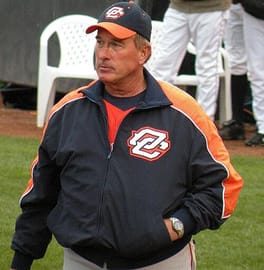
Photo: Resolute / CC BY-SA 3.0 (source: Wikimedia Commons)
Gary Carter, born on April 8, 1954 in Culver City, California, United States, was a baseball player. Gary Carter died on February 16, 2012 at the age of 57. Schooling on record includes Sunny Hills High School. Awards on record include Rawlings Gold Glove Award, Quebec Sports Hall of Fame and Canadian Baseball Hall of Fame.
My Take
Gary Carter, "the Kid," is one of those figures who makes me believe sport can be joyful. A catcher, the most punishing position on the field, he played 19 seasons with the Expos and Mets, made eleven All-Star teams, and anchored the 1986 champion Mets. What gets me is the nickname: he earned it by playing with the unguarded delight of a child. Losing him at 57 in 2012 felt far too soon. Enshrined in the Canadian Baseball Hall of Fame, he left a legacy that's about more than statistics. I choose to remember a man who genuinely loved the game.
This take was written by generative AI, one per person, from publicly reported facts (editorial policy). It is a reading of the record, not reporting.
1. Profile
- Name (English)
- Gary Carter
- Name (Japanese)
- ゲイリー・カーター
- Reading
- げいりー・かーたー
- Born
- April 8, 1954 – February 16, 2012
- Origin
- Culver City, California, United States
- Occupation
- baseball player
- Zodiac / Chinese zodiac
- Aries / Horse
2. Background
- High school
- Sunny Hills High School
Awards & achievements
- Rawlings Gold Glove Award
- Quebec Sports Hall of Fame
- Canadian Baseball Hall of Fame
3. Links
4. About this entry
Tags
- Last updated
Facts are limited to publicly available information up to 2024; non-public or unconfirmed items are omitted. English text is machine-assisted (facts translated by Sonnet, "My Take" written by Opus 4.8). The Japanese page is the source of record.
Frequently asked questions
When was Gary Carter born?
Gary Carter was born on April 8, 1954.
When did Gary Carter die?
Gary Carter died on February 16, 2012, aged 57.
Where was Gary Carter from?
Gary Carter was from Culver City, California, United States.
What did Gary Carter do?
Gary Carter worked as baseball player.
Which high school did Gary Carter attend?
Gary Carter attended Sunny Hills High School.
Baseball player — see all → · More people from the United States → · More people born on April 8 →