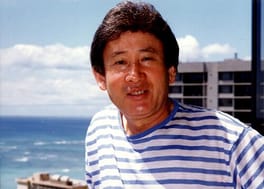
Photo: Sigure77 / CC BY-SA 4.0 (source: Wikimedia Commons)
My Take
Gen Kimura is one of those actors you don't know by name but somehow recognize the moment you see them — born in 1933, which means he lived through the war, the rubble, the economic miracle, and everything Japan became after. That kind of biography doesn't leave a person unmarked, and I'd bet anything it showed in the way he carried himself on screen. Born in Shanghai, he spent his career as a Daiei bit player and later a TV heavy, filling out the edges of Zatoichi and Nemuri Kyōshirō pictures — and honestly I find that kind of career weirdly moving. He belonged to a generation of craftsmen who let the work speak and kept the rest quiet. You don't grandstand when you've grown up in the era he did; you show up, you serve the scene, and you go home. He passed in February 2021 at 88, just two weeks after his birthday, and I can't help thinking a man who lasted that long in a profession built on being overlooked deserved every quiet year of it.
This take was written by generative AI, one per person, from publicly reported facts (editorial policy). It is a reading of the record, not reporting.
Overview
Gen Kimura (February 7, 1933 – February 21, 2021) was a Japanese actor who worked across the postwar era of Japanese film and television. Born in Shanghai, he joined the Shinkokugeki troupe in 1954 and moved to Daiei in 1958, where he played supporting roles in series such as Nemuri Kyōshirō, Zatoichi and Daimajin, later becoming a familiar villain in television period and police dramas. He passed away in February 2021 at the age of 88.
1. Profile
- Name (English)
- Gen Kimura
- Name (Japanese)
- 木村元
- Reading
- きむら げん
- Born
- February 7, 1933 – February 21, 2021
- Origin
- Shanghai, Republic of China
- Occupation
- Actor
- Zodiac / Chinese zodiac
- Aquarius / Rooster
- Blood type
- B
- Active years
- 1954 - ?
2. Works & records
Works summary
- Appearances
- 620 (1954–2011)
- By year (titles with a known year)
- 1954: 1, 1955: 1, 1958: 7, 1959: 5, 1960: 13, 1961: 17, 1962: 13, 1963: 12, 1964: 14, 1965: 11, 1966: 13, 1967: 15, 1968: 15, 1969: 21, 1970: 20, 1971: 23, 1972: 20, 1973: 12, 1974: 13, 1975: 10, 1976: 17, 1977: 19, 1978: 19, 1979: 18, 1980: 15, 1981: 10, 1982: 22, 1983: 17, 1984: 11, 1985: 4, 1986: 12, 1987: 12, 1988: 8, 1989: 12, 1990: 12, 1991: 10, 1992: 5, 1993: 5, 1994: 6, 1995: 5, 1996: 4, 1997: 6, 1998: 6, 1999: 7, 2000: 5, 2001: 3, 2002: 3, 2003: 5, 2004: 4, 2006: 3, 2007: 3, 2008: 3, 2009: 1, 2010: 2, 2011: 2, year unknown: 68
- Debut work
- 地獄の剣豪 平手造酒
Filmography / notable works
| Category | Title | Year |
|---|---|---|
| TV drama | 死を呼ぶ男鹿~角館~乳頭温泉ライン | 2011 |
| TV drama | 近江八幡・京都~死を呼ぶ琵琶湖の謎 | 2011 |
| TV drama | 若殿守った鰻屋小町! -浜松- | 2010 |
| TV drama | 死を呼ぶ越中富山の湯 | 2010 |
| TV drama | 死を呼ぶ佐渡情話 | 2009 |
| TV drama | 昼行灯とあっぱれ女房 -石見- | 2008 |
| TV drama | 篤姫 | 2008 |
| TV drama | 温かい死体! 鬼怒川温泉殺人連鎖 | 2008 |
| TV drama | 風林火山 | 2007 |
| TV drama | 警視庁捜査ファイル さくら署の女たち | 2007 |
| TV drama | NHK連続テレビ小説 どんど晴れ 第74話 - 第75話 | 2007 |
| TV drama | さくら署のおんなたち | 2006 |
| TV drama | 函館・洞爺湖・白老・札幌 | 2006 |
| TV drama | 水曜ミステリー9 神楽坂署生活安全課2 | 2006 |
| TV drama | 死を呼ぶ老後資金 | 2004 |
| TV drama | 銀山温泉の殺人報告 | 2004 |
| TV drama | 雨の日に切腹を…! 大五郎涙の別れ! | 2004 |
| TV drama | 刃傷 松の廊下 | 2004 |
| TV drama | 終着駅シリーズ 壁の目 | 2003 |
| TV drama | 秋田殺人事件 | 2003 |
| TV drama | 死を呼ぶ遺産相続 | 2003 |
| TV drama | 新春痛快ミステリードラマ 突撃おばちゃん探偵 伊集院さゆりの事件簿 | 2003 |
| TV drama | 山村美紗サスペンス 京都女優シリーズ | 2003 |
| TV drama | 死を呼ぶ早期退職金 | 2002 |
| TV drama | 母の夢 | 2002 |
| TV drama | 月曜ミステリー劇場 弁護士朝吹里矢子 | 2002 |
| TV drama | 津軽殺人事件 | 2001 |
| TV drama | 上条麗子の事件推理 | 2001 |
| TV drama | 死を呼ぶ離婚慰謝料! | 2001 |
| TV drama | 殺意のハンドル | 2000 |
| TV drama | 汚れた勲章 | 2000 |
| TV drama | ドラマ愛の詩 浪花少年探偵団 | 2000 |
| TV drama | 山村美紗サスペンス 京都・呪いの十二単衣殺人事件 | 2000 |
| TV drama | 月曜ドラマスペシャル マネーコンサルタント日下部刻子の事件ファイル | 2000 |
| TV drama | 乙女の叫び 私の命をさしあげます! | 1999 |
| TV drama | ママさん記者明衣子の事件 | 1999 |
| TV drama | 山村美紗最期のミステリー 京都・在原業平殺人事件 | 1999 |
| TV drama | 最後の罪が恩返し | 1999 |
| TV drama | 髪結い伊三次 | 1999 |
| TV drama | 京都祇園連続殺人 | 1999 |
| Stage | はなざかり女ざかり 名鉄ホール | 1999 |
| TV drama | 格が救った石州半紙 -津和野- | 1998 |
| TV drama | 太平洋殺意のうず潮 | 1998 |
| TV drama | 田村正和スペシャル 眠狂四郎 | 1998 |
| TV drama | 恐怖の三味線通り魔 | 1998 |
| TV drama | 穴 | 1998 |
| TV drama | 剣客商売 | 1998 |
| TV drama | おかしな夫婦3 私を裏切った娘でも娘は娘、母の偏執愛が雪の阿賀野川に燃える | 1997 |
| TV drama | 山村美紗サスペンス 京都夜の祇園殺人事件 | 1997 |
| TV drama | 山村美紗京都ミステリー 京都恋人形殺人事件 | 1997 |
| TV drama | 釣りデカ事件簿 海の密室殺人事件 | 1997 |
| TV drama | からむ女・夫婦の決算! | 1997 |
| TV drama | 西村京太郎&山村美紗夢の合作サスペンス・海を渡った愛と殺意 | 1997 |
| TV drama | 徳川剣豪伝 それからの武蔵 | 1996 |
| TV drama | 山村美紗サスペンス・京都紫式部殺人事件 | 1996 |
| TV drama | せつない探偵柚木草平の殺人レポート(2) 初恋よ、さよならの、キスをしよう | 1996 |
| TV drama | 忠臣蔵 | 1996 |
| TV drama | 十和田湖畔 偽りの花嫁 | 1995 |
| TV drama | 支笏湖10時30分の女 | 1995 |
| TV drama | 下町葬儀屋事件簿 | 1995 |
3. Links
- Wikipedia (Japanese)https://ja.wikipedia.org/wiki/%E6%9C%A8%E6%9D%91%E5%85%83
- Wikidatahttps://www.wikidata.org/wiki/Q11518710
4. About this entry
Tags
- Last updated
Only publicly available facts are listed; non-public or unconfirmed items are omitted. Base data was compiled from Wikidata from June 2026 onward; ages are recalculated daily and deaths are checked against Wikidata on an ongoing basis. Works and profile fields sourced from Wikipedia reflect content as of 2026-08-26. English text is machine-assisted (facts translated by Sonnet, "My Take" written by Opus 4.8). The Japanese page is the source of record.
Frequently asked questions
When was Gen Kimura born?
Gen Kimura was born on February 7, 1933.
When did Gen Kimura die?
Gen Kimura died on February 21, 2021, aged 88.
Where was Gen Kimura from?
Gen Kimura was from Shanghai, Republic of China.
What did Gen Kimura do?
Gen Kimura worked as Actor.
What was Gen Kimura's blood type?
Gen Kimura's blood type was B.
When was Gen Kimura active?
Gen Kimura's recorded active years were 1954 - ?.