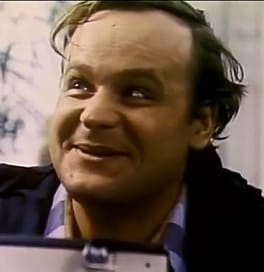
Photo: Chepoi Izzy / CC BY 3.0 (source: Wikimedia Commons)
George Dzundza, born on July 19, 1945 in Rosenheim, Germany, is a television actor, film actor and voice actor. As of 2026, George Dzundza is 81 years old. Education on record includes Cardinal Hayes High School and St. John's University.
My Take
George Dzundza is one of those actors who makes every scene he's in feel lived-in and real, even when the role is small. Born in Germany and raised in New York, he brought a rough, working-class authenticity that Hollywood kept calling on for decades. His early turn in The Deer Hunter stands out — sharing space with De Niro and Walken and holding his own is no small thing. Then he popped up in Basic Instinct, Crimson Tide, Dangerous Minds, and a bunch of other big-ticket films of the '80s and '90s, always as the guy who grounds the story. He's the kind of character actor who deserves more recognition than he usually gets, and I'm glad his career spanned long enough to rack up a genuinely impressive résumé.
This take was written by generative AI, one per person, from publicly reported facts (editorial policy). It is a reading of the record, not reporting.
1. Profile
- Name (English)
- George Dzundza
- Name (Japanese)
- ジョージ・ズンザ
- Reading
- じょーじ・ずんざ
- Born
- July 19, 1945 (age 81)
- Origin
- Rosenheim, Germany
- Occupation
- television actor / film actor / actor / voice actor
- Zodiac / Chinese zodiac
- Cancer / Rooster
2. Background
- High school
- Cardinal Hayes High School
- University
- St. John's University
3. Links
- Wikipedia (English)https://en.wikipedia.org/wiki/George%20Dzundza
- Wikipedia (Japanese)https://ja.wikipedia.org/wiki/%E3%82%B8%E3%83%A7%E3%83%BC%E3%82%B8%E3%83%BB%E3%82%BA%E3%83%B3%E3%82%B6
- Wikidatahttps://www.wikidata.org/wiki/Q164624
4. About this entry
Tags
- Last updated
Only publicly available facts are listed; non-public or unconfirmed items are omitted. Base data was compiled from Wikidata from June 2026 onward; ages are recalculated daily and deaths are checked against Wikidata on an ongoing basis. English text is machine-assisted (facts translated by Sonnet, "My Take" written by Opus 4.8). The Japanese page is the source of record.
Frequently asked questions
When was George Dzundza born?
George Dzundza was born on July 19, 1945 and is 81 years old.
Where is George Dzundza from?
George Dzundza is from Rosenheim, Germany.
What does George Dzundza do?
George Dzundza works as television actor, film actor, actor, voice actor.
Where did George Dzundza study?
George Dzundza attended St. John's University.
Television actor — see all → · Film actor — see all → · More people from Germany → · More people born on July 19 →