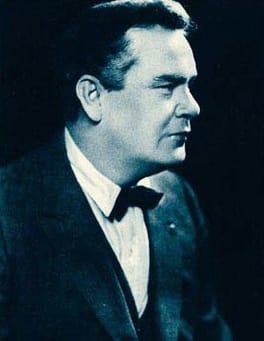
Photo: Photoplay Magazine / Public domain (source: Wikimedia Commons)
George Siegmann was born in New York City, New York, United States on February 8, 1882. George Siegmann was credited as a film actor and film director. Death is recorded on June 22, 1928, at the age of 46.
My Take
George Siegmann is exactly the kind of silent-era character actor I love. A New Yorker who turned up in The Birth of a Nation, Intolerance, The Three Musketeers, Oliver Twist, The Cat and the Canary, and The Man Who Laughs, he built menace and gravity out of pure expression in an age without dialogue. Dying at 46 in 1928 feels far too soon, yet he is still alive in those frames a century later, which is about the best an actor can hope for. Faces like his anchor a scene. He was a load-bearing pillar of early cinema, and I respect that deeply.
This take was written by generative AI, one per person, from publicly reported facts (editorial policy). It is a reading of the record, not reporting.
1. Profile
- Name (English)
- George Siegmann
- Name (Japanese)
- ジョージ・シーグマン
- Reading
- じょーじ・しーぐまん
- Born
- February 8, 1882 – June 22, 1928
- Origin
- New York City, New York, United States
- Occupation
- actor / film actor / film director
- Zodiac / Chinese zodiac
- Aquarius / Horse
2. Links
3. About this entry
Tags
- Last updated
Facts are limited to publicly available information up to 2024; non-public or unconfirmed items are omitted. English text is machine-assisted (facts translated by Sonnet, "My Take" written by Opus 4.8). The Japanese page is the source of record.
Frequently asked questions
When was George Siegmann born?
Born February 8, 1882.
When did George Siegmann die?
Died June 22, 1928, aged 46.
Where was George Siegmann from?
George Siegmann was from New York City, New York, United States.
What did George Siegmann do?
George Siegmann worked as actor, film actor, film director.
Actor — see all → · Film actor — see all → · More people from the United States →