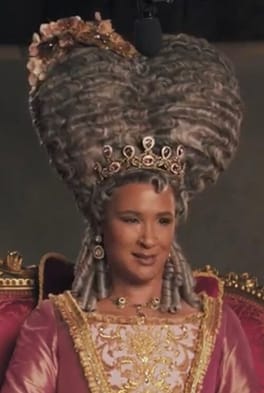
Photo: Shondaland / CC BY 3.0 (source: Wikimedia Commons)
Golda Rosheuvel was born on May 2, 1970 in Guyana. Public records list Golda Rosheuvel as a stage actor and television actor. The age as of 2026 is 56. Awards on record include Out100 (2022).
My Take
Golda Rosheuvel's Queen Charlotte is the kind of performance that makes you sit up, regal and mischievous at once, and Bridgerton is richer for it. What draws me in is the foundation underneath the fame: she's a Guyana-rooted British stage actor who spent years in the theatre before Netflix made her a global face, and that craft shows in every gesture. Breaking through in your fifties is its own quiet triumph, and her place on the Out100 speaks to a refusal to dim herself. I find her a heartening reminder that the real thing eventually gets its spotlight, no matter the timing.
This take was written by generative AI, one per person, from publicly reported facts (editorial policy). It is a reading of the record, not reporting.
1. Profile
- Name (English)
- Golda Rosheuvel
- Name (Japanese)
- ゴルダ・ロシューベル
- Reading
- ごるだ・ろしゅーべる
- Born
- May 2, 1970 (age 56)
- Origin
- Guyana
- Occupation
- stage actor / actor / television actor
- Zodiac / Chinese zodiac
- Taurus / Dog
2. Background
Awards & achievements
- 2022 Out100
3. Links
4. About this entry
Tags
- Last updated
Facts are limited to publicly available information up to 2024; non-public or unconfirmed items are omitted. English text is machine-assisted (facts translated by Sonnet, "My Take" written by Opus 4.8). The Japanese page is the source of record.
Frequently asked questions
When was Golda Rosheuvel born?
Golda Rosheuvel was born on May 2, 1970 and is 56 years old.
Where is Golda Rosheuvel from?
Golda Rosheuvel is from Guyana.
What does Golda Rosheuvel do?
Golda Rosheuvel works as stage actor, actor, television actor.
Stage actor — see all → · Actor — see all → · More people from Guyana → · More people born on May 2 →