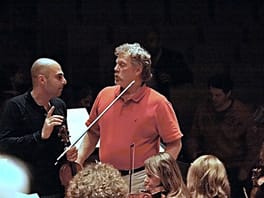
Photo: VitVit / CC BY-SA 4.0 (source: Wikimedia Commons)
Public records list Gregory Kunde as an opera singer, performing artist and musician. Gregory Kunde was born in Kankakee, Illinois, United States on February 24, 1954. The age as of 2026 is 72. Education on record includes Illinois State University. Listed accolades include International Opera Award (2016).
My Take
Gregory Kunde fascinates me as a study in artistic reinvention. Most tenors guard their instrument and retire from the heavy roles before age catches them, yet Kunde did the opposite, pivoting from a quarter-century of Donizetti, Bellini and Rossini bel canto into the punishing verismo of Verdi and Puccini. That is not coasting; that is rebuilding a voice for a harder fight. Nearly fifty years on stage and the 2016 International Opera Award tell the story, but what I respect is the craftsman's stubbornness underneath. An American conquering Italian repertoire, on its own turf, for that long, is no small feat.
This take was written by generative AI, one per person, from publicly reported facts (editorial policy). It is a reading of the record, not reporting.
1. Profile
- Name (English)
- Gregory Kunde
- Name (Japanese)
- グレゴリー・クンデ
- Reading
- ぐれごりー・くんで
- Born
- February 24, 1954 (age 72)
- Origin
- Kankakee, Illinois, United States
- Occupation
- opera singer / performing artist / singer / musician
- Zodiac / Chinese zodiac
- Pisces / Horse
2. Background
- University
- Illinois State University
Awards & achievements
- 2016 International Opera Award
3. Links
- Official sitehttps://www.gregorykunde.com
- Wikipedia (English)https://en.wikipedia.org/wiki/Gregory%20Kunde
- Wikipedia (Japanese)https://ja.wikipedia.org/wiki/%E3%82%B0%E3%83%AC%E3%82%B4%E3%83%AA%E3%83%BC%E3%83%BB%E3%82%AF%E3%83%B3%E3%83%87
- Wikidatahttps://www.wikidata.org/wiki/Q3776567
4. About this entry
Tags
- Last updated
Facts are limited to publicly available information up to 2024; non-public or unconfirmed items are omitted. English text is machine-assisted (facts translated by Sonnet, "My Take" written by Opus 4.8). The Japanese page is the source of record.
Frequently asked questions
When was Gregory Kunde born?
Born February 24, 1954 (age 72).
Where is Gregory Kunde from?
Gregory Kunde is from Kankakee, Illinois, United States.
What does Gregory Kunde do?
Gregory Kunde works as opera singer, performing artist, singer, musician.
Opera singer — see all → · Performing artist — see all → · More people from the United States →