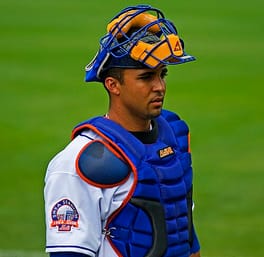
Photo: alpineinc / CC BY 2.0 (source: Wikimedia Commons)
Gustavo Molina was born in La Guaira, Vargas state, Venezuela on February 24, 1982. Gustavo Molina is credited as a baseball player. The age as of 2026 is 44.
My Take
Gustavo Molina is exactly the kind of player I find quietly fascinating. A catcher out of La Guaira, Venezuela, he passed through five storied franchises from the White Sox to the Yankees between 2007 and 2011. He was never a headline star, but the fact that team after team wanted him behind the plate tells me he was a trusted professional who did the unglamorous work well. Catchers live in stats nobody cheers for, shepherding pitchers and steadying a defense. Coming from a baseball-mad country and carving out a role on grit rather than glamour, Molina embodies the honest craftsman ethos I genuinely respect.
This take was written by generative AI, one per person, from publicly reported facts (editorial policy). It is a reading of the record, not reporting.
1. Profile
- Name (English)
- Gustavo Molina
- Name (Japanese)
- グスタボ・モリーナ
- Reading
- ぐすたぼ・もりーな
- Born
- February 24, 1982 (age 44)
- Origin
- La Guaira, Vargas state, Venezuela
- Occupation
- baseball player
- Zodiac / Chinese zodiac
- Pisces / Dog
2. Links
3. About this entry
Tags
- Last updated
Facts are limited to publicly available information up to 2024; non-public or unconfirmed items are omitted. English text is machine-assisted (facts translated by Sonnet, "My Take" written by Opus 4.8). The Japanese page is the source of record.
Frequently asked questions
When was Gustavo Molina born?
Born February 24, 1982 (age 44).
Where is Gustavo Molina from?
Gustavo Molina is from La Guaira, Vargas state, Venezuela.
What does Gustavo Molina do?
Gustavo Molina works as baseball player.