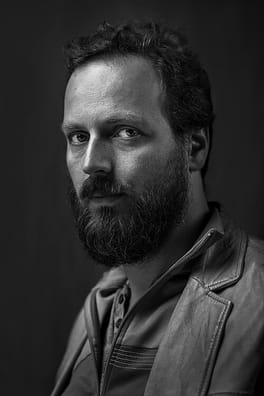
Photo: Miklós Déri / CC BY-SA 4.0 (source: Wikimedia Commons)
György Pálfi, born on April 11, 1974 in Budapest, Hungary, is a film director, screenwriter and university teacher. That puts György Pálfi at 52 years old in 2026. Education on record includes University of Theatre and Film Arts. Listed accolades include Béla Balázs Award (2007), AEGON art award (2010), Knight's Crosses of the Order of Merit of the Republic of Hungary (2006) and 1 more.
My Take
György Pálfi is one of the boldest filmmakers I keep returning to. His debut Hukkle won the European Discovery Award at the 2002 European Film Awards, and Taxidermia, screened in Un Certain Regard at Cannes, confirmed he was no fluke. What fascinates me is his refusal to separate beauty from the grotesque; he plates them together and dares you to keep watching, yet it never tips into mere shock. That takes real artistic nerve, and the Béla Balázs Award and Hungarian state honors suggest his own country knows it. As a director who also teaches, he is a thinker who attacks rather than plays safe, and I admire that enormously.
This take was written by generative AI, one per person, from publicly reported facts (editorial policy). It is a reading of the record, not reporting.
1. Profile
- Name (English)
- György Pálfi
- Name (Japanese)
- パールフィ・ジョルジ
- Reading
- ぱーるふぃ・じょるじ
- Born
- April 11, 1974 (age 52)
- Origin
- Budapest, Hungary
- Occupation
- film director / screenwriter / university teacher / film producer / director
- Zodiac / Chinese zodiac
- Aries / Tiger
2. Background
- University
- University of Theatre and Film Arts
Awards & achievements
- 2007 Béla Balázs Award
- 2010 AEGON art award
- 2006 Knight's Crosses of the Order of Merit of the Republic of Hungary
- 2002 European Film Award for European Discovery of the Year
3. Links
4. About this entry
Tags
- Last updated
Facts are limited to publicly available information up to 2024; non-public or unconfirmed items are omitted. English text is machine-assisted (facts translated by Sonnet, "My Take" written by Opus 4.8). The Japanese page is the source of record.
Frequently asked questions
When was György Pálfi born?
Born April 11, 1974 (age 52).
Where is György Pálfi from?
György Pálfi is from Budapest, Hungary.
What does György Pálfi do?
György Pálfi works as film director, screenwriter, university teacher, film producer, director.
Film director — see all → · Screenwriter — see all → · More people from Hungary →