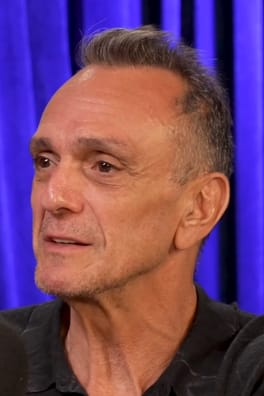
Photo: Neal Brennan / CC BY 4.0 (source: Wikimedia Commons)
Hank Azaria was born on April 25, 1964 in Queens, New York, United States. Hank Azaria is listed as a television actor, film actor and dub actor. The age as of 2026 is 62. Education on record includes Tufts University. Listed accolades include Annie Award, Theatre World Award (2005), Primetime Emmy Award for Outstanding Supporting Actor in a Miniseries or a Movie (2000) and 2 more.
My Take
Hank Azaria might be the most-heard, least-recognized actor in America, and that paradox is exactly why I admire him. He gave The Simpsons half its population — Moe, Chief Wiggum, Comic Book Guy — distinct souls built from nothing but breath and timing. What elevates him for me is the range beyond the booth: Emmy wins in both voice and on-camera categories, plus genuine stage chops. I also respect how he later reckoned publicly with the Apu controversy, treating his own legacy with honesty rather than defensiveness. That mix of craft and conscience is rare in comedy.
This take was written by generative AI, one per person, from publicly reported facts (editorial policy). It is a reading of the record, not reporting.
1. Profile
- Name (English)
- Hank Azaria
- Name (Japanese)
- ハンク・アザリア
- Reading
- はんく・あざりあ
- Born
- April 25, 1964 (age 62)
- Origin
- Queens, New York, United States
- Occupation
- television actor / film actor / dub actor / stage actor / voice actor
- Zodiac / Chinese zodiac
- Taurus / Dragon
2. Background
- University
- Tufts University
Awards & achievements
- Annie Award
- 2005 Theatre World Award
- 2000 Primetime Emmy Award for Outstanding Supporting Actor in a Miniseries or a Movie
- 2016 Primetime Emmy Award for Outstanding Guest Actor in a Drama Series
- 2015 Primetime Emmy Award for Outstanding Character Voice-Over Performance
3. Works & records
Filmography / notable works
| Category | Title |
|---|---|
| Notable work | The Simpsons |
| Notable work | The Birdcage |
4. Links
- Instagramhttps://www.instagram.com/hankazaria/
- Xhttps://x.com/HankAzaria
- Wikipedia (English)https://en.wikipedia.org/wiki/Hank%20Azaria
- Wikipedia (Japanese)https://ja.wikipedia.org/wiki/%E3%83%8F%E3%83%B3%E3%82%AF%E3%83%BB%E3%82%A2%E3%82%B6%E3%83%AA%E3%82%A2
- Wikidatahttps://www.wikidata.org/wiki/Q202056
5. About this entry
Tags
- Last updated
Facts are limited to publicly available information up to 2024; non-public or unconfirmed items are omitted. English text is machine-assisted (facts translated by Sonnet, "My Take" written by Opus 4.8). The Japanese page is the source of record.
Frequently asked questions
When was Hank Azaria born?
Born April 25, 1964 (age 62).
Where is Hank Azaria from?
Hank Azaria is from Queens, New York, United States.
What does Hank Azaria do?
Hank Azaria works as television actor, film actor, dub actor, stage actor, voice actor.
What is Hank Azaria known for?
Notable works include The Simpsons, The Birdcage.
Television actor — see all → · Film actor — see all → · More people from the United States →