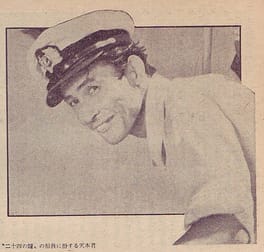
Photo: 映画世界社 (Eiga Sekai Publications, Inc.) / Public domain (source: Wikimedia Commons)
My Take
I'll be honest, Hideyo Amamoto's face lived rent-free in my nightmares as a kid before I had any idea who he was. That gaunt, hollow-cheeked look with the sunken, knowing eyes made him the perfect tokusatsu villain, the kind of mad scientist or shadowy schemer who made Showa-era kids hide behind the couch. But grown up, I see what a gift that was. He never played the leading-man game; he was the consummate character actor, the guy who'd slink into a scene and quietly steal it. There's a real gravitas under the menace too, a flicker of refinement and intelligence that hints at the war-generation man underneath the makeup. Born in Wakamatsu, Fukuoka in 1926, he gave that whole era of Japanese film and TV its eerie, lived-in depth. One of one, and I still can't forget him.
This take was written by generative AI, one per person, from publicly reported facts (editorial policy). It is a reading of the record, not reporting.
Overview
Hideyo Amamoto (January 2, 1926 – March 23, 2003) was a Japanese actor born in Wakamatsu-ku, Fukuoka Prefecture. He was known for his distinctive screen presence and worked primarily in Japanese film and television throughout the Showa era. From the 1970s he moved mainly into television, where his role as Doctor Shinigami in the 1972 series Kamen Rider made him a popular villain. He passed away on March 23, 2003.
1. Profile
- Name (English)
- Hideyo Amamoto
- Name (Japanese)
- 天本英世
- Reading
- あまもと ひでよ
- Born
- January 2, 1926 – March 23, 2003
- Origin
- Wakamatsu-ku, Fukuoka Prefecture, Japan
- Height
- 180 cm
- Occupation
- Actor
- Zodiac / Chinese zodiac
- Capricorn / Tiger
- Active years
- 1954 - 2003
2. Works & records
Works summary
- Appearances
- 289 (1954–2005)
- By year (titles with a known year)
- 1954: 2, 1956: 3, 1957: 1, 1958: 3, 1959: 6, 1960: 10, 1961: 6, 1962: 7, 1963: 8, 1964: 5, 1965: 4, 1966: 7, 1967: 10, 1968: 8, 1969: 5, 1970: 7, 1971: 16, 1972: 11, 1973: 12, 1974: 11, 1975: 13, 1976: 11, 1977: 5, 1978: 7, 1979: 3, 1980: 2, 1981: 2, 1982: 2, 1983: 2, 1984: 5, 1985: 1, 1986: 1, 1987: 5, 1988: 3, 1989: 1, 1990: 6, 1991: 6, 1992: 4, 1993: 6, 1994: 5, 1995: 2, 1996: 6, 1997: 2, 1998: 3, 1999: 3, 2000: 7, 2001: 2, 2002: 4, 2005: 1, year unknown: 27
- Debut work
- The Garden of Women
Filmography / notable works
| Category | Title | Year |
|---|---|---|
| Film | Kamen Rider: The First | 2005 |
| Film | 龍虎兄弟 BLOOD BROTHERS | 2002 |
| TV drama | 雪の扉 | 2002 |
| TV drama | 真夜中は別の顔 | 2002 |
| TV drama | うきは〜少年たちの夏〜 | 2002 |
| Film | Godzilla, Mothra and King Ghidorah: Giant Monsters All-Out Attack | 2001 |
| Film | Vengeance for Sale | 2001 |
| Film | Keizoku/eiga | 2000 |
| Film | Oshikiri – The Strange Story | 2000 |
| Film | Sweet Sweet Ghost | 2000 |
| Film | ちんちろまい | 2000 |
| TV drama | 目撃者 | 2000 |
| CM | DION | 2000 |
| Other | 世紀末恐怖劇場 とても優しい隣人たち | 2000 |
| TV drama | 向田邦子終戦特別企画 | 1999 |
| TV drama | 中継! 愛の救出大作戦 | 1999 |
| Web drama | グラウエンの鳥籠 | 1999 |
| Film | F | 1998 |
| TV drama | 三毛猫ホームズの黄昏ホテル 豪華リゾート連続殺人事件! | 1998 |
| TV drama | 生存率50%の勇気! | 1998 |
| Film | 30 thirty | 1997 |
| TV drama | 西村京太郎&山村美紗 夢の合作サスペンス / 海を渡った愛と殺意 | 1997 |
| Film | 勝手にしやがれ!! 黄金計画 | 1996 |
| Film | エコエコアザラクII -BIRTH OF THE WIZARD- | 1996 |
| Film | お天気お姉さん | 1996 |
| TV drama | ムーンスパイラル | 1996 |
| TV drama | 銀狼怪奇ファイル | 1996 |
| Radio drama | 農夫の眼 | 1996 |
| Film | EAST MEETS WEST | 1995 |
| Film | 水の中の八月 | 1995 |
| Film | SAEKO | 1994 |
| Film | 押繪と旅する男 | 1994 |
| TV drama | 浅見光彦シリーズ | 1994 |
| TV drama | 17才-at seventeen- | 1994 |
| Theatrical anime | Street Fighter II: The Animated Movie | 1994 |
| Film | 中指姫 俺たちゃどうなる? | 1993 |
| TV drama | 私が愛したウルトラセブン | 1993 |
| TV drama | 初孫戦争の巻 | 1993 |
| TV drama | 金曜ドラマシアター / 嘘 | 1993 |
| TV drama | 精神外科医 | 1993 |
| Other | 闇金の帝王 銀と金シリーズ | 1993 |
| Film | 病は気から 病院へ行こう2 | 1992 |
| Film | はいすくーる仁義2 たいへんよくできました | 1992 |
| TV drama | 誰かが彼女を愛してる | 1992 |
| TV drama | 本当にあった怖い話 / 午前四時半の侵入者 | 1992 |
| Film | 大誘拐 RAINBOW KIDS | 1991 |
| Film | My Soul Is Slashed | 1991 |
| Film | Sure Death 5 | 1991 |
| TV drama | 刑事たちの忙しい夜 | 1991 |
| TV drama | 火曜ミステリー劇場 / 三毛猫ホームズの駈落ち | 1991 |
| TV drama | 世にも奇妙な物語 / 海亀のスープ | 1991 |
| Film | 新・童貞物語 ホンコンバージンボーイ | 1990 |
| Film | Hong Kong Paradise | 1990 |
| Film | 妖怪天国 ゴースト・ヒーロー | 1990 |
| Film | 浪人街 | 1990 |
| Film | パンツの穴 キラキラ星みつけた! | 1990 |
| TV drama | 火曜サスペンス劇場 / 殺意の団欒 | 1990 |
| Film | Bungakusho Satsujin Jiken: Oinaru Jyoso | 1989 |
| Film | グリーン・レクイエム | 1988 |
| Film | Kaitō Ruby | 1988 |
3. Links
- Wikipedia (Japanese)https://ja.wikipedia.org/wiki/%E5%A4%A9%E6%9C%AC%E8%8B%B1%E4%B8%96
- Wikidatahttps://www.wikidata.org/wiki/Q938317
4. About this entry
Tags
- Last updated
Only publicly available facts are listed; non-public or unconfirmed items are omitted. Base data was compiled from Wikidata from June 2026 onward; ages are recalculated daily and deaths are checked against Wikidata on an ongoing basis. Works and profile fields sourced from Wikipedia reflect content as of 2026-08-26. English text is machine-assisted (facts translated by Sonnet, "My Take" written by Opus 4.8). The Japanese page is the source of record.
Frequently asked questions
When was Hideyo Amamoto born?
Hideyo Amamoto was born on January 2, 1926.
When did Hideyo Amamoto die?
Hideyo Amamoto died on March 23, 2003, aged 77.
Where was Hideyo Amamoto from?
Hideyo Amamoto was from Wakamatsu-ku, Fukuoka Prefecture, Japan.
What did Hideyo Amamoto do?
Hideyo Amamoto worked as Actor.
How tall was Hideyo Amamoto?
Hideyo Amamoto was 180 cm tall.
When was Hideyo Amamoto active?
Hideyo Amamoto was active from 1954 to 2003.
What was Hideyo Amamoto known for?
Hideyo Amamoto's notable works include Sweet Sweet Ghost, DION, F.
Actor — see all → · More people from Japan → · More people born on January 2 →