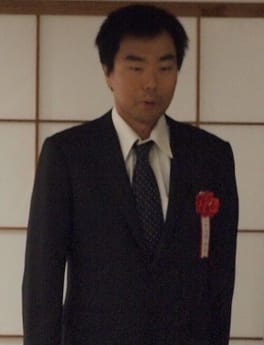
Photo: nakashi from Chofu, Tokyo, JAPAN / CC BY-SA 2.0 (source: Wikimedia Commons)
My Take
I'll be honest — I came into this knowing almost nothing about professional shogi, and Hiroyuki Miura quietly changed that. Born in 1974 in Takasaki, Gunma, he's spent decades doing something most of us couldn't manage for twenty minutes: sitting motionless in front of a board, reading dozens of moves deep into a future that doesn't exist yet. By the time 2024 rolled around he was pushing fifty, and younger players have been nipping at the heels of every veteran in the game, yet he's still there. That kind of longevity in a world built on pure pattern recognition and brutal mental stamina isn't luck — it's backbone. He keeps almost everything personal locked down tight, which I actually respect: when your whole craft is played out in silence on 81 squares, maybe you've already said everything that needs saying.
This take was written by generative AI, one per person, from publicly reported facts (editorial policy). It is a reading of the record, not reporting.
Overview
Hiroyuki Miura is a Japanese professional shogi player born on February 13, 1974, in Takasaki, Gunma Prefecture. He has built a long career at the top levels of competitive shogi, continuing as an active player into his fifties. Most details of his personal life are kept private, and he is known primarily through his activity on the board.
1. Profile
- Name (English)
- Hiroyuki Miura
- Name (Japanese)
- 三浦弘行
- Reading
- みうら ひろゆき
- Born
- February 13, 1974 (age 52)
- Origin
- Takasaki, Gunma Prefecture, Japan
- Occupation
- Professional Shogi Player
- Zodiac / Chinese zodiac
- Aquarius / Tiger
2. Links
- Wikipedia (Japanese)https://ja.wikipedia.org/wiki/%E4%B8%89%E6%B5%A6%E5%BC%98%E8%A1%8C
- Wikidatahttps://www.wikidata.org/wiki/Q11271483
3. About this entry
Tags
- Last updated
Facts are limited to publicly available information up to 2024; non-public or unconfirmed items are omitted. English text is machine-assisted (facts translated by Sonnet, "My Take" written by Opus 4.8). The Japanese page is the source of record.
Frequently asked questions
When was Hiroyuki Miura born?
Born February 13, 1974 (age 52).
Where is Hiroyuki Miura from?
Hiroyuki Miura is from Takasaki, Gunma Prefecture, Japan.
What does Hiroyuki Miura do?
Hiroyuki Miura works as Professional Shogi Player.