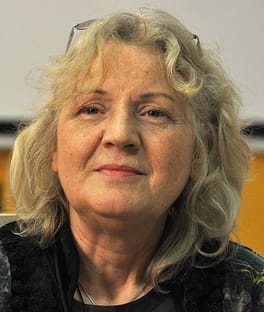
Photo: „Medija centar Beograd“ „www.mc.rs“ / CC BY-SA 3.0 (source: Wikimedia Commons)
Jadranka Stojaković was credited as a singer-songwriter. Born on July 24, 1950, Jadranka Stojaković was from Sarajevo, Sarajevo Canton, Bosnia and Herzegovina. Death is recorded on May 3, 2016, at the age of 65. Schooling on record includes University of Sarajevo.
My Take
Jadranka Stojakovic feels like one of those voices history almost lets slip away. A Sarajevo-born singer-songwriter who became beloved across the former Yugoslavia, she carried songs like 'Sto te nema' that ache with longing. What moves me most is the Japan connection hinted at by her official site, suggesting a second life and audience far from home. She passed in 2016, and I find myself wishing I'd discovered that 'unique voice' sooner. Artists who cross borders and languages while staying emotionally raw deserve to be remembered, and her catalog feels like a quiet invitation to listen back.
This take was written by generative AI, one per person, from publicly reported facts (editorial policy). It is a reading of the record, not reporting.
1. Profile
- Name (English)
- Jadranka Stojaković
- Name (Japanese)
- ヤドランカ
- Reading
- やどらんか
- Born
- July 24, 1950 – May 3, 2016
- Origin
- Sarajevo, Sarajevo Canton, Bosnia and Herzegovina
- Occupation
- singer-songwriter
- Zodiac / Chinese zodiac
- Leo / Tiger
2. Background
- University
- University of Sarajevo
3. Links
- Official sitehttp://jadranka-jp.com/
- Wikipedia (English)https://en.wikipedia.org/wiki/Jadranka%20Stojakovi%C4%87
- Wikipedia (Japanese)https://ja.wikipedia.org/wiki/%E3%83%A4%E3%83%89%E3%83%A9%E3%83%B3%E3%82%AB
- Wikidatahttps://www.wikidata.org/wiki/Q1290549
4. About this entry
Tags
- Last updated
Facts are limited to publicly available information up to 2024; non-public or unconfirmed items are omitted. English text is machine-assisted (facts translated by Sonnet, "My Take" written by Opus 4.8). The Japanese page is the source of record.
Frequently asked questions
When was Jadranka Stojaković born?
Born July 24, 1950.
When did Jadranka Stojaković die?
Died May 3, 2016, aged 65.
Where was Jadranka Stojaković from?
Jadranka Stojaković was from Sarajevo, Sarajevo Canton, Bosnia and Herzegovina.
What did Jadranka Stojaković do?
Jadranka Stojaković worked as singer-songwriter.
Singer-songwriter — see all → · More people from Bosnia and Herzegovina →