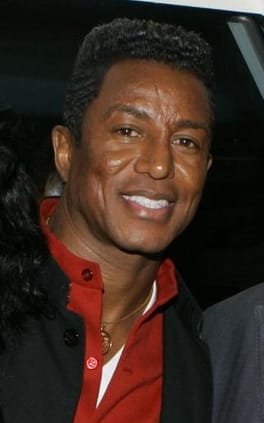
Photo: JosephJackson2007.jpg: Reflexivity Capital Group[1] of picasa.google.com derivative work: Solid State Survivor (talk) / CC BY-SA 3.0 (source: Wikimedia Commons)
Jermaine Jackson is listed as a guitarist, singer and dancer. Jermaine Jackson was born on December 11, 1954 in Gary, Indiana, United States. The age as of 2026 is 71. Schooling on record includes Birmingham High School. Recorded honors include Order of the Republic of The Gambia.
My Take
I have a soft spot for second voices, and Jermaine Jackson is the definitive one. In the Jackson 5 he sang second lead and held down the bass, doing two skilled jobs at once while the spotlight bent inevitably toward his younger brother. That takes a particular kind of professionalism — and, I suspect, a thick skin. His solo work shows a warm, supple voice that deserved more room than history gave it. When I listen back to those Motown-era records now, I hear how much of the groove rests on him. The famous family gets the headlines; Jermaine quietly supplied the foundation, and I respect builders.
This take was written by generative AI, one per person, from publicly reported facts (editorial policy). It is a reading of the record, not reporting.
1. Profile
- Name (English)
- Jermaine Jackson
- Name (Japanese)
- ジャーメイン・ジャクソン
- Reading
- じゃーめいん・じゃくそん
- Born
- December 11, 1954 (age 71)
- Origin
- Gary, Indiana, United States
- Occupation
- guitarist / singer / dancer / singer-songwriter / composer
- Zodiac / Chinese zodiac
- Sagittarius / Horse
2. Background
- High school
- Birmingham High School
Awards & achievements
- Order of the Republic of The Gambia
3. Links
- Official sitehttp://jermainejacksonentertainment.com/
- Wikipedia (English)https://en.wikipedia.org/wiki/Jermaine%20Jackson
- Wikipedia (Japanese)https://ja.wikipedia.org/wiki/%E3%82%B8%E3%83%A3%E3%83%BC%E3%83%A1%E3%82%A4%E3%83%B3%E3%83%BB%E3%82%B8%E3%83%A3%E3%82%AF%E3%82%BD%E3%83%B3
- Wikidatahttps://www.wikidata.org/wiki/Q317784
4. About this entry
Tags
- Last updated
Facts are limited to publicly available information up to 2024; non-public or unconfirmed items are omitted. English text is machine-assisted (facts translated by Sonnet, "My Take" written by Opus 4.8). The Japanese page is the source of record.
Frequently asked questions
When was Jermaine Jackson born?
Born December 11, 1954 (age 71).
Where is Jermaine Jackson from?
Jermaine Jackson is from Gary, Indiana, United States.
What does Jermaine Jackson do?
Jermaine Jackson works as guitarist, singer, dancer, singer-songwriter, composer.
Guitarist — see all → · Singer — see all → · More people from the United States →