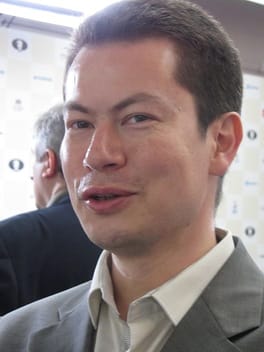
Photo: Rodrigo Fernández / CC BY-SA 3.0 (source: Wikimedia Commons)
Joël Lautier is a chess player. Joël Lautier was born in Scarborough, Ontario, Canada on April 12, 1973. The age as of 2026 is 53.
My Take
Joël Lautier fascinates me as one of chess's underrated prodigies. Winning the World Junior Championship in 1988 ahead of Ivanchuk, Gelfand and Serper is not a footnote; it is a statement that this Canadian-born French grandmaster belonged among the elite from a teenage age. What I admire most is the quiet, almost scholarly temperament that seems to define top players of his era, who let the board do the talking. He reached the world's top tier in the 1990s without the showmanship some peers chased. I have a soft spot for that kind of understated brilliance, the genius who simply outthinks everyone and moves on.
This take was written by generative AI, one per person, from publicly reported facts (editorial policy). It is a reading of the record, not reporting.
1. Profile
- Name (English)
- Joël Lautier
- Name (Japanese)
- ジョエル・ローティエ
- Reading
- じょえる・ろーてぃえ
- Born
- April 12, 1973 (age 53)
- Origin
- Scarborough, Ontario, Canada
- Occupation
- chess player
- Zodiac / Chinese zodiac
- Aries / Ox
2. Links
3. About this entry
Tags
- Last updated
Facts are limited to publicly available information up to 2024; non-public or unconfirmed items are omitted. English text is machine-assisted (facts translated by Sonnet, "My Take" written by Opus 4.8). The Japanese page is the source of record.
Frequently asked questions
When was Joël Lautier born?
Born April 12, 1973 (age 53).
Where is Joël Lautier from?
Joël Lautier is from Scarborough, Ontario, Canada.
What does Joël Lautier do?
Joël Lautier works as chess player.