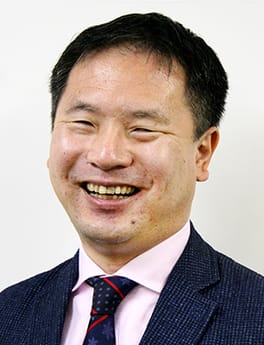
Photo: スポーツ庁 / CC BY 4.0 (source: Wikimedia Commons)
My Take
I'll be honest, calling Junichi Kawai just a "swimmer" feels like a crime, because the man is one of the most quietly heroic athletes Japan has produced. A Paralympic swimmer who competed without sight, he learned to read the water by feel and timing alone, which still blows my mind every time I think about it. There's something about a kid from Hamamatsu, the eel-and-piano town, who grew up to dominate pools across multiple Games that just gets me. From where I sit, this is the kind of person whose ordinary grit makes my own lazy afternoons look ridiculous, and I respect him enormously for it.
This take was written by generative AI, one per person, from publicly reported facts (editorial policy). It is a reading of the record, not reporting.
Overview
Junichi Kawai is a Japanese former Paralympic swimmer, born on April 19, 1975, in Hamamatsu, Shizuoka Prefecture, who went on to serve as Commissioner of the Japan Sports Agency. He pursued higher education at Waseda University. He maintains an active presence on social media through his account on X (formerly Twitter).
1. Profile
- Name (English)
- Junichi Kawai
- Name (Japanese)
- 河合純一
- Reading
- かわい じゅんいち
- Born
- April 19, 1975 (age 51)
- Origin
- Hamamatsu, Shizuoka, Japan
- Occupation
- Competitive swimmer
- Zodiac / Chinese zodiac
- Aries / Rabbit
2. Background
- University
- Waseda University
3. Links
4. About this entry
Tags
- Last updated
Only publicly available facts are listed; non-public or unconfirmed items are omitted. Base data was compiled from Wikidata from June 2026 onward; ages are recalculated daily and deaths are checked against Wikidata on an ongoing basis. English text is machine-assisted (facts translated by Sonnet, "My Take" written by Opus 4.8). The Japanese page is the source of record.
Frequently asked questions
When was Junichi Kawai born?
Junichi Kawai was born on April 19, 1975 and is 51 years old.
Where is Junichi Kawai from?
Junichi Kawai is from Hamamatsu, Shizuoka, Japan.
What does Junichi Kawai do?
Junichi Kawai works as Competitive swimmer.
Where did Junichi Kawai study?
Junichi Kawai attended Waseda University.
Competitive swimmer — see all → · More people from Japan → · More people born on April 19 →