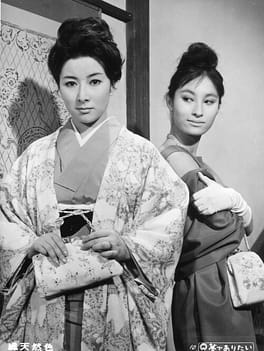
Photo: Daiei Motion Picture Company (大映株式会社) / Public domain (source: Wikimedia Commons)
My Take
I have such a soft spot for Kyōko Enami, the kind of actress who could own a scene just by standing still and narrowing her eyes. A Tokyo girl forged in Daiei's studio system during the Showa golden age, she became iconic playing cool, composed gamblers, and honestly nobody did that mix of glamour and quiet menace quite like her. What gets me is the arc: a Newcomer prize back in 1965, then the prestigious Tanaka Kinuyo Award in 2011, basically proof she was the real deal start to finish. She wasn't the giggly, crowd-pleasing type. She'd just walk into frame and the whole room would tighten up. We lost her in 2018, but that steely, smoldering gaze stuck with me. A serious, classy presence I keep coming back to.
This take was written by generative AI, one per person, from publicly reported facts (editorial policy). It is a reading of the record, not reporting.
Overview
Kyōko Enami (1942–2018) was a Japanese actress born in Sendagaya, Tokyo. She built her career during the golden era of Japanese cinema and was recognized early on with the Elan d'Or Award for Best Newcomer in 1965. Decades later she received the Tanaka Kinuyo Award in 2011, a testament to her enduring contribution to Japanese film. She passed away on October 27, 2018.
1. Profile
- Name (English)
- Kyōko Enami
- Name (Japanese)
- 江波杏子
- Reading
- えなみ きょうこ
- Born
- October 15, 1942 – October 27, 2018
- Origin
- Sendagaya, Tokyo, Japan
- Occupation
- Actress
- Zodiac / Chinese zodiac
- Libra / Horse
- Blood type
- A
- Agency
- Alpha Agency
- Active years
- 1960 - 2018
2. Background
Awards & achievements
- 1965 — Elan d'Or Award, Best Newcomer
- 2011 — Tanaka Kinuyo Award
3. Works & records
Works summary
- Appearances
- 336 (1960–2021)
- By year (titles with a known year)
- 1960: 6, 1961: 8, 1962: 6, 1963: 6, 1964: 6, 1965: 9, 1966: 9, 1967: 8, 1968: 8, 1969: 7, 1970: 6, 1971: 4, 1972: 3, 1973: 4, 1974: 4, 1975: 3, 1976: 1, 1977: 5, 1978: 13, 1979: 3, 1980: 7, 1981: 9, 1982: 4, 1983: 6, 1984: 8, 1985: 4, 1986: 5, 1987: 2, 1988: 8, 1989: 2, 1990: 6, 1991: 3, 1992: 6, 1993: 2, 1994: 1, 1995: 3, 1996: 2, 1997: 3, 1998: 3, 1999: 2, 2000: 4, 2001: 1, 2002: 2, 2003: 5, 2004: 1, 2005: 2, 2006: 6, 2007: 8, 2008: 2, 2009: 7, 2010: 8, 2011: 7, 2012: 5, 2013: 9, 2014: 3, 2015: 3, 2016: 6, 2017: 5, 2018: 5, 2019: 2, 2021: 2, year unknown: 38
- Debut work
- 明日から大人だ
Filmography / notable works
| Category | Title | Year |
|---|---|---|
| TV drama | 京都人の密かな愉しみ Blue 修業中 燃える秋 | 2021 |
| TV drama | BS時代劇 小吉の女房2 | 2021 |
| TV drama | 京都人の密かな愉しみ Blue 修業中 祇園さんの来はる夏 | 2019 |
| TV drama | BS時代劇 小吉の女房 | 2019 |
| Film | 娼年 | 2018 |
| TV drama | 京都人の密かな愉しみ Blue 修業中 祝う春 | 2018 |
| TV drama | 限界団地 | 2018 |
| TV drama | カラスになったおれは地上の世界を見おろした。 | 2018 |
| TV drama | 山村美紗サスペンス 赤い霊柩車37 | 2018 |
| Radio drama | FMシアター 罵詈雑言忠臣蔵 | 2018 |
| TV drama | Beppinsan | 2017 |
| TV drama | ツバキ文具店〜鎌倉代書屋物語〜 | 2017 |
| TV drama | On'na no Kunshō | 2017 |
| TV drama | 京都人の密かな愉しみ Blue 修業中 送る夏 | 2017 |
| TV drama | 全力失踪 | 2017 |
| TV drama | ドクター彦次郎2 | 2016 |
| TV drama | ドラマスペシャル / 検事の死命 | 2016 |
| TV drama | わたしのウチにはなんにもない。 | 2016 |
| TV drama | コールドケース Season1 第9話 | 2016 |
| Stage | イニシュマン島のビリー | 2016 |
| TV drama | ゴーストライター | 2015 |
| TV drama | Kabuki Mono Keiji | 2015 |
| TV drama | 結婚式の前日に | 2015 |
| Film | 無花果の森 | 2014 |
| Film | A Drop of the Grapevine | 2014 |
| Stage | ご臨終 | 2014 |
| Film | 桜、ふたたびの加奈子 | 2013 |
| Film | Why Don't You Play in Hell? | 2013 |
| TV drama | スペシャリスト | 2013 |
| TV drama | いつか陽のあたる場所で | 2013 |
| TV drama | Ka'en Kita no Eiyū Aterui Den | 2013 |
| TV drama | 鴨、京都へ行く。-老舗旅館の女将日記- 第3話 | 2013 |
| TV drama | ぴんとこな | 2013 |
| TV drama | カハタレバナ | 2013 |
| Stage | マイ・フェア・レディ | 2013 |
| Film | 映画 桜蘭高校ホスト部 | 2012 |
| TV drama | カーネーション | 2012 |
| TV drama | Answer〜警視庁検証捜査官 第2話 | 2012 |
| TV drama | 37歳で医者になった僕〜研修医純情物語〜 第4話 | 2012 |
| TV drama | 宮部みゆき・4週連続“極上”ミステリー 第1夜 理由 | 2012 |
| TV drama | 冬のサクラ | 2011 |
| TV drama | 金曜プレステージ / 私立探偵・下澤唯 | 2011 |
| TV drama | 松本清張ドラマスペシャル 砂の器 第二夜 | 2011 |
| TV drama | 桜蘭高校ホスト部 第9話-最終話 | 2011 |
| TV drama | 塚原卜伝 | 2011 |
| Stage | 姉妹たちの庭で〜モーニングス・アット・セブン〜 | 2011 |
| Stage | 天守物語 | 2011 |
| Film | 食堂かたつむり | 2010 |
| Film | 僕たちのプレイボール | 2010 |
| Film | Strangers in the City | 2010 |
| Film | Aibō: Gekijō-ban II | 2010 |
| TV drama | サギ師があなたを狙ってる | 2010 |
| TV drama | 大仏開眼 | 2010 |
| TV drama | 離婚同居 | 2010 |
| TV drama | ハンチョウ〜神南署安積班〜 第3シリーズ 第8話 | 2010 |
| Film | Gokusen: The Movie | 2009 |
| TV drama | Q.E.D. 証明終了 | 2009 |
| TV drama | 22年間息子を待ち続けた母!!手作り餃子に秘められた涙の過去 | 2009 |
| TV drama | Ninkyō Helper | 2009 |
4. Links
- Wikipedia (Japanese)https://ja.wikipedia.org/wiki/%E6%B1%9F%E6%B3%A2%E6%9D%8F%E5%AD%90
- Wikidatahttps://www.wikidata.org/wiki/Q11551229
5. About this entry
Tags
- Last updated
Only publicly available facts are listed; non-public or unconfirmed items are omitted. Base data was compiled from Wikidata from June 2026 onward; ages are recalculated daily and deaths are checked against Wikidata on an ongoing basis. Works and profile fields sourced from Wikipedia reflect content as of 2026-08-26. English text is machine-assisted (facts translated by Sonnet, "My Take" written by Opus 4.8). The Japanese page is the source of record.
Frequently asked questions
When was Kyōko Enami born?
Kyōko Enami was born on October 15, 1942.
When did Kyōko Enami die?
Kyōko Enami died on October 27, 2018, aged 76.
Where was Kyōko Enami from?
Kyōko Enami was from Sendagaya, Tokyo, Japan.
What did Kyōko Enami do?
Kyōko Enami worked as Actress.
What was Kyōko Enami's blood type?
Kyōko Enami's blood type was A.
What agency was Kyōko Enami with?
Kyōko Enami was with Alpha Agency.
When was Kyōko Enami active?
Kyōko Enami was active from 1960 to 2018.
Actress — see all → · More people from Japan → · More people born on October 15 →