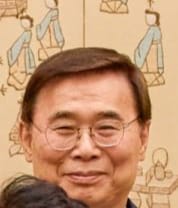
Photo: Office of the President of the Republic of Korea/Lee Jae-myung / KOGL Type 1 (source: Wikimedia Commons)
Lee Jong-seok, born on May 11, 1958, is a politician and political scientist. As of 2026, Lee Jong-seok is 68 years old. Schooling on record includes Yongsan High School and Sungkyunkwan University.
My Take
What strikes me about Lee Jong-seok is the rare arc from scholar to spymaster. He's a South Korean political scientist who climbed into the most sensitive corridors of the state, serving as Minister of Unification and chairing the National Security Council before later directing the National Intelligence Service. Inter-Korean affairs are unforgiving territory, and the fact that an academic was trusted to run both unification policy and the intelligence apparatus tells me he was valued for analytical depth rather than political theater. I read him as a thinker who chose to operate the levers he once studied, which is a far harder and lonelier path than commentary.
This take was written by generative AI, one per person, from publicly reported facts (editorial policy). It is a reading of the record, not reporting.
1. Profile
- Name (English)
- Lee Jong-seok
- Name (Japanese)
- 李鍾奭
- Reading
- い・じょんそく
- Born
- May 11, 1958 (age 68)
- Occupation
- politician / political scientist
- Zodiac / Chinese zodiac
- Taurus / Dog
2. Background
- High school
- Yongsan High School
- University
- Sungkyunkwan University
3. Links
- Wikipedia (English)https://en.wikipedia.org/wiki/Lee%20Jong-seok%20(politician)
- Wikipedia (Japanese)https://ja.wikipedia.org/wiki/%E6%9D%8E%E9%8D%BE%E5%A5%AD
- Wikidatahttps://www.wikidata.org/wiki/Q624486
4. About this entry
Tags
- Last updated
Facts are limited to publicly available information up to 2024; non-public or unconfirmed items are omitted. English text is machine-assisted (facts translated by Sonnet, "My Take" written by Opus 4.8). The Japanese page is the source of record.
Frequently asked questions
When was Lee Jong-seok born?
Born May 11, 1958 (age 68).
What does Lee Jong-seok do?
Lee Jong-seok works as politician, political scientist.