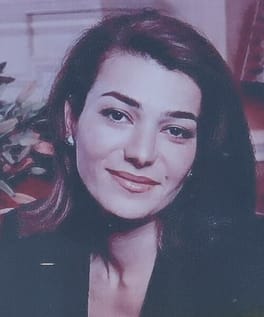
Photo: Thank you to indicate this credit line next to the image in case of reuse: Credit: Polymagou - CC BY-SA I'd appreciate if you could send a message on my user talk page if you use this picture out of the Wikimedia project scope . / CC BY-SA 4.0 (source: Wikimedia Commons)
Born on March 27, 1970 in Tehran, Tehran Province, Iran, Leila Pahlavi was a translator and model. Leila Pahlavi died on June 10, 2001 at the age of 31. Education on record includes Brown University. Recorded honors include anniversary medal at the occasion of the 2500th anniversary of the founding of the Iranian Empire.
My Take
Leila Pahlavi's life reads like a quiet tragedy I cannot stop thinking about. Born a princess in Tehran, exiled at nine by the 1979 revolution, she retreated into literature and philosophy at Brown rather than into public spectacle. There is something deeply human in choosing words and ideas as a refuge after losing a homeland. Her death at thirty-one feels heartbreakingly young. I find myself less interested in the royal trappings than in the displaced young woman searching for meaning between two worlds. Hers is a story that deserves remembrance with tenderness rather than fascination with crowns.
This take was written by generative AI, one per person, from publicly reported facts (editorial policy). It is a reading of the record, not reporting.
1. Profile
- Name (English)
- Leila Pahlavi
- Name (Japanese)
- レイラー・パフラヴィー
- Reading
- れいらー・ぱふらゔぃー
- Born
- March 27, 1970 – June 10, 2001
- Origin
- Tehran, Tehran Province, Iran
- Occupation
- translator / model
- Zodiac / Chinese zodiac
- Aries / Dog
2. Background
- University
- Brown University
Awards & achievements
- anniversary medal at the occasion of the 2500th anniversary of the founding of the Iranian Empire
3. Links
- Wikipedia (English)https://en.wikipedia.org/wiki/Leila%20Pahlavi
- Wikidatahttps://www.wikidata.org/wiki/Q1136913
4. About this entry
Tags
- Last updated
Facts are limited to publicly available information up to 2024; non-public or unconfirmed items are omitted. English text is machine-assisted (facts translated by Sonnet, "My Take" written by Opus 4.8). The Japanese page is the source of record.
Frequently asked questions
When was Leila Pahlavi born?
Born March 27, 1970.
When did Leila Pahlavi die?
Died June 10, 2001, aged 31.
Where was Leila Pahlavi from?
Leila Pahlavi was from Tehran, Tehran Province, Iran.
What did Leila Pahlavi do?
Leila Pahlavi worked as translator, model.
Translator — see all → · Model — see all → · More people from Iran →