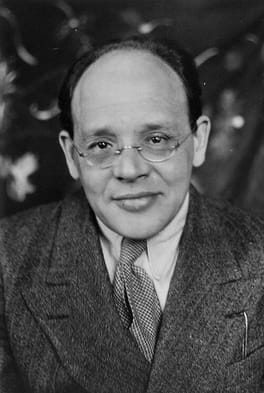
Photo: anonimous / Public domain (source: Wikimedia Commons)
Isaak Babel was a translator, journalist and screenwriter, born on July 13, 1894 in Odesa, Kherson Governorate, Russian Empire. Isaak Babel died on January 27, 1940, aged 45. Schooling on record includes Kyiv National Economic University named after Vadym Hetman. Notable works include Red Cavalry.
My Take
Babel is the kind of writer I keep returning to precisely because he refused to pad. Red Cavalry and the Odessa Stories pack a whole moral universe into sentences you could fit on a postcard, and that compression is harder than any sprawling epic. What moves me most is the tension in him: the cool, almost clinical eye of someone trained to think systematically, set against the warmth and chaos of his native Odesa. Knowing he was killed at forty-six under Stalin makes every spare line feel like a small act of defiance. I'd rather read one page of Babel than a shelf of louder authors.
This take was written by generative AI, one per person, from publicly reported facts (editorial policy). It is a reading of the record, not reporting.
1. Profile
- Name (English)
- Isaak Babel
- Name (Japanese)
- イサーク・バーベリ
- Reading
- いさーく・ばーべり
- Born
- July 13, 1894 – January 27, 1940
- Origin
- Odesa, Kherson Governorate, Russian Empire
- Occupation
- translator / journalist / screenwriter / playwright / writer
- Zodiac / Chinese zodiac
- Cancer / Horse
2. Background
- University
- Kyiv National Economic University named after Vadym Hetman
3. Works & records
Filmography / notable works
| Category | Title |
|---|---|
| Notable work | Red Cavalry |
4. Links
5. About this entry
Tags
- Last updated
Facts are limited to publicly available information up to 2024; non-public or unconfirmed items are omitted. English text is machine-assisted (facts translated by Sonnet, "My Take" written by Opus 4.8). The Japanese page is the source of record.
Frequently asked questions
When was Isaak Babel born?
Born July 13, 1894.
When did Isaak Babel die?
Died January 27, 1940, aged 45.
Where was Isaak Babel from?
Isaak Babel was from Odesa, Kherson Governorate, Russian Empire.
What did Isaak Babel do?
Isaak Babel worked as translator, journalist, screenwriter, playwright, writer.
What was Isaak Babel known for?
Notable works include Red Cavalry.