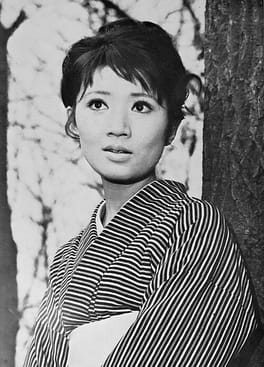
Photo: 国際情報社 / Public domain (source: Wikimedia Commons)
My Take
I have a real soft spot for the kind of presence Mako Midori brought to 1960s Japanese cinema, because she never read as just another pretty ingenue to me. Born in 1944 and breaking through young enough to grab the Blue Ribbon newcomer prize in 1965, she belongs to that wild, restless New Wave era when Japanese film was getting darker, stranger, and a whole lot more dangerous, and she fit right into that mood. There's a smoky, slightly unsettling quality I associate with her, something mysterious and a touch decadent rather than wholesome. The camera clearly bent toward her. That she also sang only adds to the cool factor. To me she's a quietly magnetic figure from a golden, gritty chapter of Showa film.
This take was written by generative AI, one per person, from publicly reported facts (editorial policy). It is a reading of the record, not reporting.
Overview
Mako Midori is a Japanese actress and singer born on March 26, 1944, in Taipei, Taiwan. She rose to prominence in the 1960s, earning the Blue Ribbon Award for Best New Actress in 1965 as well as the Golden Arrow Award. She appeared in over fifty films in the 1960s and 1970s, won the Kinokuniya Theatre Prize for her stage work, and is married to actor Renji Ishibashi.
1. Profile
- Name (English)
- Mako Midori
- Name (Japanese)
- 緑魔子
- Reading
- みどり まこ
- Born
- March 26, 1944 (age 82)
- Origin
- Taipei, Taiwan
- Height
- 157cm
- Occupation
- Actress / Singer
- Zodiac / Chinese zodiac
- Aries / Monkey
2. Background
Awards & achievements
- 1965 — Blue Ribbon Award for Best New Actress
- Year unknown — Golden Arrow Award
3. Works & records
Works summary
- Appearances
- 187 (1964–2020)
- By year (titles with a known year)
- 1964: 8, 1965: 12, 1966: 7, 1967: 5, 1968: 9, 1969: 11, 1970: 7, 1971: 12, 1972: 5, 1973: 9, 1974: 11, 1975: 12, 1976: 6, 1977: 7, 1978: 6, 1979: 8, 1980: 2, 1981: 3, 1982: 3, 1983: 3, 1984: 1, 1985: 2, 1987: 2, 1988: 1, 1989: 1, 1990: 1, 1991: 1, 1992: 2, 1994: 2, 1995: 1, 1997: 1, 1998: 1, 2000: 1, 2001: 1, 2004: 1, 2006: 1, 2007: 1, 2008: 1, 2009: 1, 2011: 1, 2012: 2, 2013: 1, 2014: 1, 2016: 2, 2017: 1, 2020: 1, year unknown: 9
- Debut work
- 廃虚の唇
Filmography / notable works
| Category | Title | Year |
|---|---|---|
| Film | 現在地はいづくなりや 映画監督東陽一 | 2020 |
| Film | STAR SAND-星砂物語- | 2017 |
| TV drama | ABC創立65周年記念スペシャルドラマ / 氷の轍 | 2016 |
| Film | いぬむこいり | 2016 |
| TV drama | ドラマW / 埋もれる | 2014 |
| Stage | あかい壁の家 | 2013 |
| TV drama | 土曜ドラマスペシャル / キルトの家 | 2012 |
| TV drama | ヒトリシズカ 最終話 | 2012 |
| Film | 軽蔑 | 2011 |
| Film | あがた森魚 やや デラックス | 2009 |
| TV drama | 魔女がアタシを | 2008 |
| TV drama | 大河ドラマ / 風林火山 | 2007 |
| Film | 青いうた〜のど自慢 青春編〜 | 2006 |
| 愛されたいの | 2004 | |
| TV drama | 夏少女ウメ子 女の子にだって、夏の冒険はある | 2001 |
| Stage | 雨の塔 | 2000 |
| TV drama | 土曜ワイド劇場 / 三毛猫ホームズの黄昏ホテル | 1998 |
| Stage | ガラスの動物園 | 1997 |
| Stage | 人さらい | 1995 |
| Stage | 思い出せない夢のいくつか | 1994 |
| Stage | ゴドーを待ちながら | 1994 |
| Stage | オルゴールの墓 | 1992 |
| Stage | トップガールズ | 1992 |
| TV drama | 現代推理サスペンス / 健康のための殺意 | 1991 |
| Stage | 羊たちの沈黙 | 1990 |
| TV drama | 水曜グランドロマン / ネコババの女 | 1989 |
| Stage | さすらいのジェニー | 1988 |
| Film | Shinran: Path to Purity | 1987 |
| Stage | 湯毛の中のナウシカ | 1987 |
| Stage | ビニールの城 | 1985 |
| Radio drama | ふたりの部屋 | 1985 |
| TV drama | 東芝日曜劇場 / 何も変った事はありません… | 1984 |
| TV drama | 木曜ゴールデンドラマ / 死の彼方までも | 1983 |
| TV drama | ドラマ人間模様 / まあええわいな | 1983 |
| Stage | おとことおんなの午后 | 1983 |
| TV drama | 伝六と女祈祷師 | 1982 |
| Film | 青春の門 自立篇 | 1982 |
| Stage | 秘密の花園 | 1982 |
| TV drama | 初めまして事件です | 1981 |
| TV drama | 悪魔のソナタ | 1981 |
| TV drama | 夢千代日記シリーズ | 1981 |
| TV drama | ひと恋い橋 | 1980 |
| TV drama | 母系家族 | 1980 |
| TV drama | バッタ女王・消えた幻の湖 | 1979 |
| TV drama | 銀河テレビ小説 / 冬の虹 | 1979 |
| TV drama | 運が悪けりゃ女にモテる | 1979 |
| TV drama | 東京-八丈島 子を捨てた母の謎 | 1979 |
| TV drama | 父ちゃんからの手紙 | 1979 |
| TV drama | チリアーノを歌う悪女! | 1979 |
| TV drama | 聖女が街にやってきた | 1979 |
| TV drama | 怪談 佐賀の怪猫 | 1979 |
| TV drama | 北海道編 家族 | 1978 |
| TV drama | 警視とモンマルトルの女 | 1978 |
| TV drama | 必死の追走 | 1978 |
| TV drama | 復讐に燃えた女 | 1978 |
| Film | 君には海鳴りが聞えるか | 1978 |
| Stage | 河原ものがたり | 1978 |
| TV drama | 日本降伏32年目の殺人 | 1977 |
| TV drama | ウソ発見器 | 1977 |
4. Links
- Wikipedia (Japanese)https://ja.wikipedia.org/wiki/%E7%B7%91%E9%AD%94%E5%AD%90
- Wikidatahttps://www.wikidata.org/wiki/Q6739842
5. About this entry
Tags
- Last updated
Only publicly available facts are listed; non-public or unconfirmed items are omitted. Base data was compiled from Wikidata from June 2026 onward; ages are recalculated daily and deaths are checked against Wikidata on an ongoing basis. Works and profile fields sourced from Wikipedia reflect content as of 2026-08-26. English text is machine-assisted (facts translated by Sonnet, "My Take" written by Opus 4.8). The Japanese page is the source of record.
Frequently asked questions
When was Mako Midori born?
Mako Midori was born on March 26, 1944 and is 82 years old.
Where is Mako Midori from?
Mako Midori is from Taipei, Taiwan.
What does Mako Midori do?
Mako Midori works as Actress, Singer.
How tall is Mako Midori?
Mako Midori is 157 cm tall.
Actress — see all → · Singer — see all → · More people from Taiwan → · More people born on March 26 →