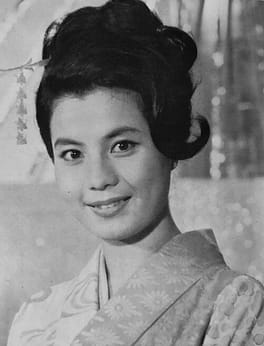
Photo: 国際情報社 / Public domain (source: Wikimedia Commons)
My Take
I'll be honest, Mayumi Ōzora belongs to a generation of Japanese actresses I mostly know through that hushed, black-and-white Showa glow, and there's something I genuinely respect about that. Born in Tokyo in 1940, she was already snagging an Elandor Newcomer Award by 1958, which tells me the spark was there from the jump. What gets me, though, is the longevity, the way she kept showing up on stage long enough to earn a Kikuta Kazuo Drama Award, because stage work doesn't let you fake it. I picture her commanding a room. No tabloid noise, no reinvention gimmicks, just decades of quietly doing the work. Careers like hers make me sit up a little straighter.
This take was written by generative AI, one per person, from publicly reported facts (editorial policy). It is a reading of the record, not reporting.
Overview
Mayumi Ōzora is a Japanese actress born on March 10, 1940, in Tokyo. She won the Elan d'Or Award for Best Newcomer in 1958, marking an acclaimed start to her career. Over the course of her long career she also received the Kikuta Kazuo Theatre Award, recognizing her achievements on the stage. Her real name is Sachiko Nakata, and she was born in Akasaka, Tokyo; she was married to actor Homare Suguro.
1. Profile
- Name (English)
- Mayumi Ōzora
- Name (Japanese)
- 大空眞弓
- Reading
- おおぞら まゆみ
- Born
- March 10, 1940 (age 86)
- Origin
- Tokyo, Japan
- Height
- 153 cm
- Occupation
- Actress
- Zodiac / Chinese zodiac
- Pisces / Dragon
- Blood type
- AB
- Active years
- 1958 -
2. Background
Awards & achievements
- 1958 — Elan d'Or Award, Best Newcomer
- Year unknown — Kikuta Kazuo Theatre Award
3. Works & records
Works summary
- Appearances
- 137 (1958–2021)
- By year (titles with a known year)
- 1958: 3, 1959: 1, 1960: 1, 1961: 2, 1962: 2, 1963: 3, 1964: 3, 1965: 2, 1966: 5, 1967: 2, 1968: 3, 1969: 4, 1970: 2, 1971: 3, 1972: 2, 1973: 1, 1974: 2, 1975: 1, 1976: 1, 1977: 2, 1978: 6, 1979: 4, 1980: 2, 1981: 2, 1982: 1, 1983: 2, 1984: 3, 1985: 1, 1986: 2, 1987: 2, 1988: 3, 1989: 3, 1990: 2, 1991: 4, 1994: 2, 1995: 1, 1998: 1, 1999: 1, 2000: 1, 2002: 1, 2003: 1, 2005: 1, 2006: 2, 2007: 3, 2008: 2, 2009: 4, 2010: 3, 2011: 2, 2012: 2, 2013: 2, 2017: 3, 2019: 1, 2020: 1, 2021: 1, year unknown: 20
- Debut work
- 不如帰
Filmography / notable works
| Category | Title | Year |
|---|---|---|
| Film | ロボット修理人のAi | 2021 |
| TV drama | 56年目の失恋 | 2020 |
| TV drama | 帯ドラマ劇場 | 2019 |
| Film | 紅い襷~富岡製糸場物語~ | 2017 |
| TV drama | ドラマ10 | 2017 |
| TV drama | ヒューマンドラマスペシャル | 2017 |
| TV drama | 金曜プレステージ | 2013 |
| Stage | 新版 人生は、ガタゴト列車に乗って… | 2013 |
| TV drama | 監察医・篠宮葉月 死体は語る11 | 2012 |
| TV drama | 月曜ゴールデン | 2012 |
| TV drama | 木曜ドラマ | 2011 |
| Stage | 銭形平次 −きよしの平次 青春編− | 2011 |
| TV drama | Daimajin Kanon | 2010 |
| Stage | ジョン・ガブリエルと呼ばれた男 | 2010 |
| Stage | マイ・フェア・レディ | 2010 |
| TV drama | 水曜ドラマ | 2009 |
| TV drama | PREMIUM SATURDAY | 2009 |
| TV drama | 水曜劇場 | 2009 |
| Stage | 仙台四郎物語〜福の神になった男 | 2009 |
| Stage | 愛さずにはいられない | 2008 |
| Stage | 佐賀のがばいばあちゃん | 2008 |
| TV drama | 相棒 Season 5 第17話 | 2007 |
| TV drama | ドラマ30 | 2007 |
| Stage | 三婆 | 2007 |
| TV drama | ナショナル劇場50周年記念特別企画スペシャル 水戸黄門 | 2006 |
| TV drama | 不倫調査員・片山由美8 | 2006 |
| TV drama | よるドラシリーズ | 2005 |
| TV drama | 法医学教室の事件ファイル18 | 2003 |
| Stage | 松平健特別公演〜用心棒 | 2002 |
| TV drama | ザ・美容室 | 2000 |
| TV drama | 家族になろうよ! | 1999 |
| TV drama | 金曜時代劇 | 1998 |
| TV drama | 家政婦は見た!14 | 1995 |
| TV drama | お見合いの達人 | 1994 |
| TV drama | めざめろマザコン亭主 | 1994 |
| TV drama | 朝比奈周平ミステリー 西海道殺人事件 | 1991 |
| TV drama | ナースステーション | 1991 |
| TV drama | 松本清張作家活動40年記念・砂の器 | 1991 |
| TV drama | 金曜ドラマシアター | 1991 |
| TV drama | 名奉行遠山の金さん | 1990 |
| Stage | 放浪記 | 1990 |
| TV drama | 大河ドラマ | 1989 |
| Stage | 人生は、ガタゴト列車に乗って… | 1989 |
| Variety program | 総天然色バラエティー 北野テレビ | 1989 |
| Film | 母 | 1988 |
| TV drama | ああ嫁さん | 1988 |
| TV drama | 披露宴ツアー殺人事件 | 1988 |
| TV drama | ああ家族 | 1987 |
| TV drama | 金曜女のドラマスペシャル | 1987 |
| TV drama | 家庭って? | 1986 |
| TV drama | お見合いツアー殺人事件 | 1986 |
| TV drama | 女検事・霞夕子・予期せぬ殺人 | 1985 |
| Film | 想い出のアン | 1984 |
| TV drama | 土曜ワイド劇場 | 1984 |
| Stage | 新・なにわの源蔵事件帳 | 1984 |
| TV drama | 木曜ゴールデンドラマ | 1983 |
| TV drama | 大奥 | 1983 |
| TV drama | 赤い関係 | 1982 |
| TV drama | しづの生涯 | 1981 |
| TV drama | ちょっといい姉妹 | 1981 |
4. Links
- Wikipedia (Japanese)https://ja.wikipedia.org/wiki/%E5%A4%A7%E7%A9%BA%E7%9C%9E%E5%BC%93
- Wikidatahttps://www.wikidata.org/wiki/Q11438374
5. About this entry
Tags
- Last updated
Only publicly available facts are listed; non-public or unconfirmed items are omitted. Base data was compiled from Wikidata from June 2026 onward; ages are recalculated daily and deaths are checked against Wikidata on an ongoing basis. Works and profile fields sourced from Wikipedia reflect content as of 2026-08-26. English text is machine-assisted (facts translated by Sonnet, "My Take" written by Opus 4.8). The Japanese page is the source of record.
Frequently asked questions
When was Mayumi Ōzora born?
Mayumi Ōzora was born on March 10, 1940 and is 86 years old.
Where is Mayumi Ōzora from?
Mayumi Ōzora is from Tokyo, Japan.
What does Mayumi Ōzora do?
Mayumi Ōzora works as Actress.
How tall is Mayumi Ōzora?
Mayumi Ōzora is 153 cm tall.
What is Mayumi Ōzora's blood type?
Mayumi Ōzora's blood type is AB.
How long has Mayumi Ōzora been active?
Mayumi Ōzora has been active since 1958.
Actress — see all → · More people from Japan → · More people born on March 10 →