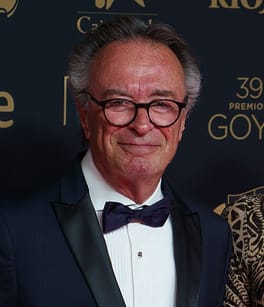
Photo: Pedro J Pacheco / CC BY-SA 4.0 (source: Wikimedia Commons)
Oscar Martínez is listed as an actor. Born on October 23, 1949, Oscar Martínez is from Buenos Aires, Argentina. That works out to 76 years old in 2026. Recorded honors include honorary doctorate (2023) and Volpi Cup for Best Actor (2016).
My Take
Oscar Martínez strikes me as an actor of quiet, accumulated authority. Born in Buenos Aires and working across Argentina and Spain, he won the Volpi Cup at the 2016 Venice Film Festival, reportedly for The Distinguished Citizen, a role that demands both irony and warmth in equal measure. What deepens my respect is the range beyond performance: he is also an author and theatre director, someone who understands a story from inside and out. The 2023 honorary doctorate and his continued presence on major stages in his seventies suggest a craftsman who simply keeps deepening. To me, he is the kind of seasoned talent that rewards patient attention.
This take was written by generative AI, one per person, from publicly reported facts (editorial policy). It is a reading of the record, not reporting.
1. Profile
- Name (English)
- Oscar Martínez
- Name (Japanese)
- オスカル・マルティネス
- Reading
- おすかる・まるてぃねす
- Born
- October 23, 1949 (age 76)
- Origin
- Buenos Aires, Argentina
- Occupation
- actor
- Zodiac / Chinese zodiac
- Libra / Ox
2. Background
Awards & achievements
- 2023 honorary doctorate
- 2016 Volpi Cup for Best Actor
3. Links
- Xhttps://x.com/OscarMartinezTV
- Wikipedia (English)https://en.wikipedia.org/wiki/Oscar%20Mart%C3%ADnez%20(actor)
- Wikipedia (Japanese)https://ja.wikipedia.org/wiki/%E3%82%AA%E3%82%B9%E3%82%AB%E3%83%AB%E3%83%BB%E3%83%9E%E3%83%AB%E3%83%86%E3%82%A3%E3%83%8D%E3%82%B9
- Wikidatahttps://www.wikidata.org/wiki/Q3357012
4. About this entry
Tags
- Last updated
Facts are limited to publicly available information up to 2024; non-public or unconfirmed items are omitted. English text is machine-assisted (facts translated by Sonnet, "My Take" written by Opus 4.8). The Japanese page is the source of record.
Frequently asked questions
When was Oscar Martínez born?
Born October 23, 1949 (age 76).
Where is Oscar Martínez from?
Oscar Martínez is from Buenos Aires, Argentina.
What does Oscar Martínez do?
Oscar Martínez works as actor.