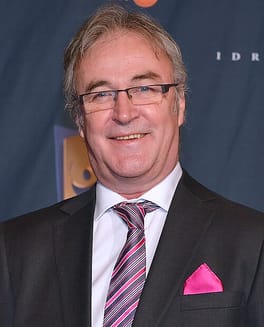
Photo: Frankie Fouganthin / CC BY-SA 3.0 (source: Wikimedia Commons)
Ralf Edström was born on October 7, 1952 in Degerfors, Örebro County, Sweden. Ralf Edström is an association football player. That works out to 73 years old in 2026. Awards on record include Guldbollen (1972, 1974). The listed height is 191 cm.
My Take
What strikes me about Ralf Edström is that he was a tall striker who never coasted on size alone. To be hailed as Sweden's finest player of the 1970s, then move from PSV Eindhoven to IFK Goteborg, Standard Liege and Monaco, you need touch and intelligence, not just a 191cm frame. Two Guldbollen awards tell me his country genuinely treasured him. I find longevity more telling than highlight reels, and the fact that clubs across Europe kept wanting him, all the way to retiring at Orgryte in 1985, says everything. He is the kind of player I respect for staying relevant, not just spectacular.
This take was written by generative AI, one per person, from publicly reported facts (editorial policy). It is a reading of the record, not reporting.
1. Profile
- Name (English)
- Ralf Edström
- Name (Japanese)
- ラルフ・エドストレーム
- Reading
- らるふ・えどすとれーむ
- Born
- October 7, 1952 (age 73)
- Origin
- Degerfors, Örebro County, Sweden
- Height
- 191 cm
- Occupation
- association football player
- Zodiac / Chinese zodiac
- Libra / Dragon
2. Background
Awards & achievements
- 1972 Guldbollen
- 1974 Guldbollen
3. Links
4. About this entry
Tags
- Last updated
Facts are limited to publicly available information up to 2024; non-public or unconfirmed items are omitted. English text is machine-assisted (facts translated by Sonnet, "My Take" written by Opus 4.8). The Japanese page is the source of record.
Frequently asked questions
When was Ralf Edström born?
Born October 7, 1952 (age 73).
Where is Ralf Edström from?
Ralf Edström is from Degerfors, Örebro County, Sweden.
What does Ralf Edström do?
Ralf Edström works as association football player.
How tall is Ralf Edström?
Ralf Edström is 191 cm.
Association football player — see all → · More people from Sweden →