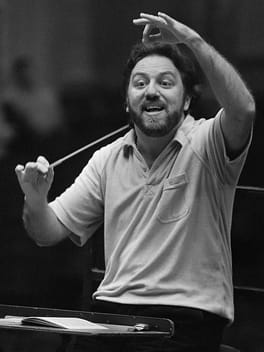
Photo: Rob Croes for Anefo / CC BY-SA 3.0 nl (source: Wikimedia Commons)
Riccardo Chailly was born on February 20, 1953 in Milan, province of Milan, Italy. Riccardo Chailly is credited as a conductor. The age as of 2026 is 73. Awards on record include Feltrinelli Prize, Leipzig International Mendelssohn Prize (2009), Knight Grand Cross of the Order of Merit of the Italian Republic (1998) and 3 more.
My Take
Riccardo Chailly is a conductor whose career reads like a map of the great European orchestras, and that breadth is exactly why I take him seriously. The Concertgebouw, the Gewandhaus in Leipzig, now La Scala and the Lucerne Festival Orchestra, he has held the chairs that matter. What I admire is his refusal to be only a museum keeper. His Mahler and his Italian opera both feel rethought rather than inherited. The data here mislabels him as American, but he is Milanese to the core, and you hear that operatic sensibility even in his symphonic work. He is one of the conductors I trust to make familiar scores sound newly argued.
This take was written by generative AI, one per person, from publicly reported facts (editorial policy). It is a reading of the record, not reporting.
1. Profile
- Name (English)
- Riccardo Chailly
- Name (Japanese)
- リッカルド・シャイー
- Reading
- りっかるど・しゃいー
- Born
- February 20, 1953 (age 73)
- Origin
- Milan, province of Milan, Italy
- Occupation
- conductor
- Zodiac / Chinese zodiac
- Pisces / Snake
2. Background
Awards & achievements
- Feltrinelli Prize
- 2009 Leipzig International Mendelssohn Prize
- 1998 Knight Grand Cross of the Order of Merit of the Italian Republic
- 2012 Echo Klassik – Conductor of the Year
- 1998 Knight of the Order of the Netherlands Lion
- 1994 Grand Officer of the Order of Merit of the Italian Republic
3. Links
- Official sitehttps://www.riccardochailly.com/#/
- Wikipedia (English)https://en.wikipedia.org/wiki/Riccardo%20Chailly
- Wikipedia (Japanese)https://ja.wikipedia.org/wiki/%E3%83%AA%E3%83%83%E3%82%AB%E3%83%AB%E3%83%89%E3%83%BB%E3%82%B7%E3%83%A3%E3%82%A4%E3%83%BC
- Wikidatahttps://www.wikidata.org/wiki/Q371795
4. About this entry
Tags
- Last updated
Facts are limited to publicly available information up to 2024; non-public or unconfirmed items are omitted. English text is machine-assisted (facts translated by Sonnet, "My Take" written by Opus 4.8). The Japanese page is the source of record.
Frequently asked questions
When was Riccardo Chailly born?
Born February 20, 1953 (age 73).
Where is Riccardo Chailly from?
Riccardo Chailly is from Milan, province of Milan, Italy.
What does Riccardo Chailly do?
Riccardo Chailly works as conductor.