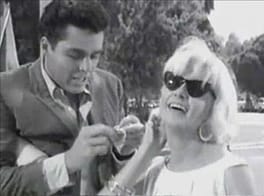
Photo: Trailer screenshot / Public domain (source: Wikimedia Commons)
Richard Beymer was born in Avoca, Iowa, United States on February 20, 1938. Richard Beymer is listed as a television actor, film actor and screenwriter. That works out to 88 years old in 2026. Schooling on record includes North Hollywood High School.
My Take
Richard Beymer is one of those actors who had the kind of early career that most people would kill for — playing Peter van Daan in The Diary of Anne Frank at just 21, then landing Tony in the 1961 West Side Story. That's two stone-cold classics before he turned 25. His quieter, more earnest quality fit both roles perfectly. What I find genuinely interesting is how he stepped away from Hollywood's spotlight for decades to pursue filmmaking and visual art on his own terms, then came roaring back as the creepy, tragic Benjamin Horne in Twin Peaks. That second-act choice showed real taste. An underrated figure in American cinema who did far more with his moments than he ever gets credit for.
This take was written by generative AI, one per person, from publicly reported facts (editorial policy). It is a reading of the record, not reporting.
1. Profile
- Name (English)
- Richard Beymer
- Name (Japanese)
- リチャード・ベイマー
- Reading
- りちゃーど・べいまー
- Born
- February 20, 1938 (age 88)
- Origin
- Avoca, Iowa, United States
- Occupation
- actor / television actor / film actor / screenwriter / writer
- Zodiac / Chinese zodiac
- Pisces / Tiger
2. Background
- High school
- North Hollywood High School
3. Links
4. About this entry
Tags
- Last updated
Only publicly available facts are listed; non-public or unconfirmed items are omitted. Base data was compiled from Wikidata from June 2026 onward; ages are recalculated daily and deaths are checked against Wikidata on an ongoing basis. English text is machine-assisted (facts translated by Sonnet, "My Take" written by Opus 4.8). The Japanese page is the source of record.
Frequently asked questions
When was Richard Beymer born?
Richard Beymer was born on February 20, 1938 and is 88 years old.
Where is Richard Beymer from?
Richard Beymer is from Avoca, Iowa, United States.
What does Richard Beymer do?
Richard Beymer works as actor, television actor, film actor, screenwriter, writer.
Which high school did Richard Beymer attend?
Richard Beymer attended North Hollywood High School.
Actor — see all → · Television actor — see all → · More people from the United States → · More people born on February 20 →