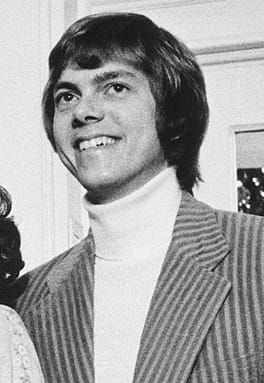
Photo: Robert LeRoy Knudsen / Public domain (source: Wikimedia Commons)
Richard Carpenter was born in New Haven, Connecticut, United States on October 15, 1946. Richard Carpenter is credited as a conductor, singer and songwriter. That works out to 80 years old in 2026. Schooling on record includes California State University, Long Beach.
My Take
I've always thought Richard Carpenter deserves more credit than he gets, because when people talk about the Carpenters, they inevitably zero in on Karen's voice — and fair enough, it was one of the most instantly recognizable instruments in pop history — but Richard was the architect behind the whole sound. He arranged every track, played piano, produced the records, and wrote or co-wrote many of their biggest hits, all while keeping that signature lush, warm aesthetic dialed in across album after album. The duo's run in the early-to-mid 1970s, with songs like We've Only Just Begun and Superstar, was genuinely remarkable mainstream pop craftsmanship. After Karen's death in 1983 he kept her memory alive thoughtfully, overseeing compilations and helping shape how her legacy was presented to new generations. He's the quiet craftsman who built the room everyone else gets to walk into.
This take was written by generative AI, one per person, from publicly reported facts (editorial policy). It is a reading of the record, not reporting.
1. Profile
- Name (English)
- Richard Carpenter
- Name (Japanese)
- リチャード・カーペンター
- Reading
- りちゃーど・かーぺんたー
- Born
- October 15, 1946 (age 80)
- Origin
- New Haven, Connecticut, United States
- Occupation
- conductor / singer / songwriter / jazz musician / pianist
- Zodiac / Chinese zodiac
- Libra / Dog
2. Background
- University
- California State University, Long Beach
3. Links
4. About this entry
Tags
- Last updated
Only publicly available facts are listed; non-public or unconfirmed items are omitted. Base data was compiled from Wikidata from June 2026 onward; ages are recalculated daily and deaths are checked against Wikidata on an ongoing basis. English text is machine-assisted (facts translated by Sonnet, "My Take" written by Opus 4.8). The Japanese page is the source of record.
Frequently asked questions
When was Richard Carpenter born?
Richard Carpenter was born on October 15, 1946 and is 80 years old.
Where is Richard Carpenter from?
Richard Carpenter is from New Haven, Connecticut, United States.
What does Richard Carpenter do?
Richard Carpenter works as conductor, singer, songwriter, jazz musician, pianist.
Where did Richard Carpenter study?
Richard Carpenter attended California State University, Long Beach.
Conductor — see all → · Singer — see all → · More people from the United States → · More people born on October 15 →