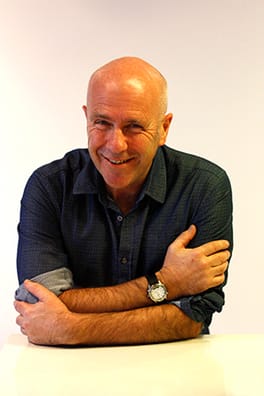
Photo: AUrandomhouse / CC BY-SA 3.0 (source: Wikimedia Commons)
Richard Flanagan is a writer, journalist and film director. Richard Flanagan studied at University of Tasmania. Listed accolades include Commonwealth Writers' Prize, Booker Prize (2014), Rhodes Scholarship (1984) and 1 more.
My Take
Richard Flanagan is a writer I hold in high regard, and the details here remind me why. Born in Tasmania in 1961, a Rhodes Scholar and University of Tasmania graduate, he won the 2014 Booker Prize for The Narrow Road to the Deep North, a novel rooted in the Burma Railway. What stuns me is that he later took the Baillie Gifford Prize for Question 7, becoming the first writer to claim both Britain's major fiction and non-fiction honors. That double achievement is rare air. I appreciate that he works across novels, journalism, screenwriting, and film, all anchored in a fierce sense of place from his island home.
This take was written by generative AI, one per person, from publicly reported facts (editorial policy). It is a reading of the record, not reporting.
1. Profile
- Name (English)
- Richard Flanagan
- Name (Japanese)
- リチャード・フラナガン
- Reading
- りちゃーど・ふらながん
- Born
- 1961
- Origin
- Longford, Tasmania, Australia
- Occupation
- writer / journalist / film director / novelist / screenwriter
- Zodiac / Chinese zodiac
- Ox
2. Background
- University
- University of Tasmania
Awards & achievements
- Commonwealth Writers' Prize
- 2014 Booker Prize
- 1984 Rhodes Scholarship
- 2019 Fellow of the Australian Academy of the Humanities
3. Links
- Official sitehttps://richardflanagan.com
- Wikipedia (English)https://en.wikipedia.org/wiki/Richard%20Flanagan
- Wikipedia (Japanese)https://ja.wikipedia.org/wiki/%E3%83%AA%E3%83%81%E3%83%A3%E3%83%BC%E3%83%89%E3%83%BB%E3%83%95%E3%83%A9%E3%83%8A%E3%82%AC%E3%83%B3
- Wikidatahttps://www.wikidata.org/wiki/Q1351191
4. About this entry
Tags
- Last updated
Facts are limited to publicly available information up to 2024; non-public or unconfirmed items are omitted. English text is machine-assisted (facts translated by Sonnet, "My Take" written by Opus 4.8). The Japanese page is the source of record.
Frequently asked questions
Where is Richard Flanagan from?
Richard Flanagan is from Longford, Tasmania, Australia.
What does Richard Flanagan do?
Richard Flanagan works as writer, journalist, film director, novelist, screenwriter.
Writer — see all → · Journalist — see all → · More people from Australia →