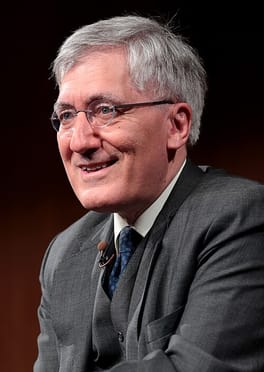
Photo: Gage Skidmore / CC BY-SA 3.0 (source: Wikimedia Commons)
Robert P. George, born on July 10, 1955 in Morgantown, West Virginia, United States, is a university teacher, lawyer and political philosopher. As of 2026, Robert P. George is 71 years old. Education on record includes New College. Awards on record include Presidential Citizens Medal and Irving Kristol Award (2016).
My Take
What strikes me about Robert P. George is the distance he traveled, from Morgantown, West Virginia to Oxford and the McCormick chair at Princeton, without losing his combative edge. He is not a cloistered academic; he wades into the loudest debates of the day and states his convictions plainly, which is why a Presidential Citizens Medal sits beside fierce critics. You do not have to share his views to respect a thinker who refuses to hedge. In an era of careful, focus-grouped intellectuals, his willingness to plant a flag and defend it feels almost old-fashioned, and genuinely interesting.
This take was written by generative AI, one per person, from publicly reported facts (editorial policy). It is a reading of the record, not reporting.
1. Profile
- Name (English)
- Robert P. George
- Name (Japanese)
- ロバート・ジョージ
- Reading
- ろばーと・じょーじ
- Born
- July 10, 1955 (age 71)
- Origin
- Morgantown, West Virginia, United States
- Occupation
- philosopher / university teacher / lawyer / political philosopher / jurist
- Zodiac / Chinese zodiac
- Cancer / Goat
2. Background
- University
- New College
Awards & achievements
- Presidential Citizens Medal
- 2016 Irving Kristol Award
3. Links
4. About this entry
Tags
- Last updated
Facts are limited to publicly available information up to 2024; non-public or unconfirmed items are omitted. English text is machine-assisted (facts translated by Sonnet, "My Take" written by Opus 4.8). The Japanese page is the source of record.
Frequently asked questions
When was Robert P. George born?
Robert P. George was born on July 10, 1955 and is 71 years old.
Where is Robert P. George from?
Robert P. George is from Morgantown, West Virginia, United States.
What does Robert P. George do?
Robert P. George works as philosopher, university teacher, lawyer, political philosopher, jurist.
Where did Robert P. George study?
Robert P. George attended New College.
Philosopher — see all → · University teacher — see all → · More people from the United States → · More people born on July 10 →