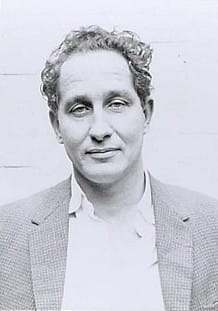
Photo: Buckingham Constabulary / Public domain (source: Wikimedia Commons)
Ronnie Biggs was born in Lambeth, United Kingdom on August 8, 1929. Public records list Ronnie Biggs as a carpenter, autobiographer and robber. Death is recorded on December 18, 2013, at the age of 84.
My Take
Ronnie Biggs is one of those figures where I feel genuinely conflicted, and I think that tension is the point. He helped plan the 1963 Great Train Robbery, then turned a brazen 1965 prison break into a 36-year life on the run, mostly in Brazil, complete with publicity stunts and a flirtation with music. There's no glamorizing the crime, yet his story became British folklore in spite of itself. What stays with me is the ending: returning to the United Kingdom in 2001, choosing prison and rapid decline over freedom abroad before his death in 2013. To me he's a study in how notoriety and consequence eventually collide.
This take was written by generative AI, one per person, from publicly reported facts (editorial policy). It is a reading of the record, not reporting.
1. Profile
- Name (English)
- Ronnie Biggs
- Name (Japanese)
- ロナルド・ビッグズ
- Reading
- ろなるど・びっぐず
- Born
- August 8, 1929 – December 18, 2013
- Origin
- Lambeth, United Kingdom
- Occupation
- carpenter / autobiographer / robber / singer / screenwriter
- Zodiac / Chinese zodiac
- Leo / Snake
2. Links
3. About this entry
Tags
- Last updated
Facts are limited to publicly available information up to 2024; non-public or unconfirmed items are omitted. English text is machine-assisted (facts translated by Sonnet, "My Take" written by Opus 4.8). The Japanese page is the source of record.
Frequently asked questions
When was Ronnie Biggs born?
Born August 8, 1929.
When did Ronnie Biggs die?
Died December 18, 2013, aged 84.
Where was Ronnie Biggs from?
Ronnie Biggs was from Lambeth, United Kingdom.
What did Ronnie Biggs do?
Ronnie Biggs worked as carpenter, autobiographer, robber, singer, screenwriter.
Autobiographer — see all → · More people from the United Kingdom →