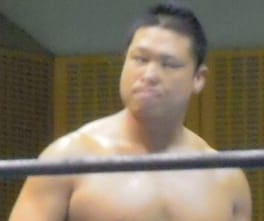
Photo: 2for6 / CC BY-SA 3.0 (source: Wikimedia Commons)
My Take
Honestly, I don't know a ton about Ryōta Chikuzen, but that almost makes me more curious — he's the kind of pro wrestler who seems to operate in the background of the spotlight, letting the ring do the talking. Born in 1973 in Shime, Fukuoka, he came up during an era when Japanese pro wrestling still had that raw, earnest intensity before it fully splintered into a dozen sub-styles. Shime sits on the edge of Chikuho coal country, and there's something fitting about a guy from that blue-collar corner of Fukuoka taking on a ring name that's literally the old regional name — it's like wearing your hometown pride on your chest every time you lace up your boots. Not much splashes across the mainstream press with his name on it, and I actually respect that. Some guys build careers in the noise; he seems like the type who built his in the work itself.
This take was written by generative AI, one per person, from publicly reported facts (editorial policy). It is a reading of the record, not reporting.
Overview
Ryōta Chikuzen is a Japanese professional wrestler born on February 24, 1973, in Shime-machi, Fukuoka Prefecture. He has built his career in the world of professional wrestling, representing the spirit of his Fukuoka roots through his ring name. Detailed career records, agency affiliation, and personal information remain largely private or undisclosed.
1. Profile
- Name (English)
- Ryōta Chikuzen
- Name (Japanese)
- 筑前りょう太
- Reading
- ちくぜん りょうた
- Born
- February 24, 1973 (age 53)
- Origin
- Shime-machi, Fukuoka Prefecture, Japan
- Occupation
- Professional wrestler
- Zodiac / Chinese zodiac
- Pisces / Ox
2. Links
3. About this entry
Tags
- Last updated
Facts are limited to publicly available information up to 2024; non-public or unconfirmed items are omitted. English text is machine-assisted (facts translated by Sonnet, "My Take" written by Opus 4.8). The Japanese page is the source of record.
Frequently asked questions
When was Ryōta Chikuzen born?
Born February 24, 1973 (age 53).
Where is Ryōta Chikuzen from?
Ryōta Chikuzen is from Shime-machi, Fukuoka Prefecture, Japan.
What does Ryōta Chikuzen do?
Ryōta Chikuzen works as Professional wrestler.
Professional wrestler — see all → · More people from Japan →