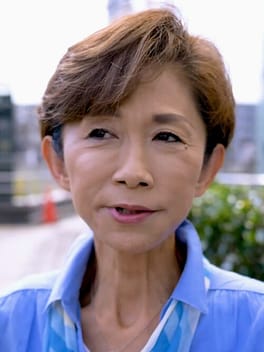
Photo: 横川圭希 / CC BY 3.0 (source: Wikimedia Commons)
My Take
I've got a soft spot for politicians like Sayuri Kamata, the kind who plant their feet in their home turf and just keep at it. She's Sendai-born, a Tohoku Gakuin University grad, and everything about her career reads as deeply local rather than flashy national theater. What gets me is the staying power: a career in politics is full of comebacks and stumbles, and the people who keep getting back up because their region is counting on them earn my respect, full stop. I'm not here to score her policies, you can argue those forever, but the image of someone hustling for Tohoku, year after year, hits different than the camera-hungry types. To me, that quiet, ground-level persistence is honestly the most underrated thing a politician can have.
This take was written by generative AI, one per person, from publicly reported facts (editorial policy). It is a reading of the record, not reporting.
Overview
Sayuri Kamata is a Japanese politician born on January 8, 1965, in Sendai, Miyagi Prefecture. She graduated from Tohoku Gakuin University and went on to pursue a career in politics. Known for her strong ties to her home region, she has continued to represent the voices of the Tohoku area throughout her political career.
1. Profile
- Name (English)
- Sayuri Kamata
- Name (Japanese)
- 鎌田さゆり
- Reading
- かまた さゆり
- Born
- January 8, 1965 (age 61)
- Origin
- Sendai, Miyagi Prefecture, Japan
- Occupation
- Politician
- Zodiac / Chinese zodiac
- Capricorn / Snake
2. Background
- University
- Tohoku Gakuin University
3. Links
- Official sitehttps://kamatasayuri.jp/
- Instagramhttps://www.instagram.com/sayurikamata/
- Xhttps://x.com/sayu4018
- Wikipedia (Japanese)https://ja.wikipedia.org/wiki/%E9%8E%8C%E7%94%B0%E3%81%95%E3%82%86%E3%82%8A
- Wikidatahttps://www.wikidata.org/wiki/Q11651021
4. About this entry
Tags
- Last updated
Facts are limited to publicly available information up to 2024; non-public or unconfirmed items are omitted. English text is machine-assisted (facts translated by Sonnet, "My Take" written by Opus 4.8). The Japanese page is the source of record.
Frequently asked questions
When was Sayuri Kamata born?
Born January 8, 1965 (age 61).
Where is Sayuri Kamata from?
Sayuri Kamata is from Sendai, Miyagi Prefecture, Japan.
What does Sayuri Kamata do?
Sayuri Kamata works as Politician.