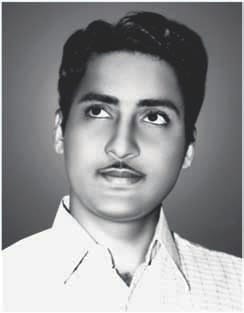
Photo: రహ్మానుద్దీన్ / CC0 (source: Wikimedia Commons)
Born on January 14, 1937, Sobhan Babu was from Krishna district, India. Sobhan Babu was listed as an actor. Death is recorded on March 20, 2008, at the age of 71. Recorded honors include Nandi Award.
My Take
Sobhan Babu fascinates me as a pillar of Telugu cinema's golden age rather than a passing star. Four Filmfare South Best Actor awards and a Nandi Award are not the rewards of charisma alone; they signal a craftsman who stayed beloved across decades from his 1959 debut onward. What moves me is the arc from a birth name, Chalapathi Rao, to a screen identity that an entire region took pride in. He passed in 2008, and I regret how little of his work reaches global audiences today. To me he is proof that regional cinema produces giants the wider world simply never met.
This take was written by generative AI, one per person, from publicly reported facts (editorial policy). It is a reading of the record, not reporting.
1. Profile
- Name (English)
- Sobhan Babu
- Name (Japanese)
- ショーバン・バーブ
- Reading
- しょーばん・ばーぶ
- Born
- January 14, 1937 – March 20, 2008
- Origin
- Krishna district, India
- Occupation
- actor
- Zodiac / Chinese zodiac
- Capricorn / Ox
2. Background
Awards & achievements
- Nandi Award
3. Links
4. About this entry
Tags
- Last updated
Facts are limited to publicly available information up to 2024; non-public or unconfirmed items are omitted. English text is machine-assisted (facts translated by Sonnet, "My Take" written by Opus 4.8). The Japanese page is the source of record.
Frequently asked questions
When was Sobhan Babu born?
Born January 14, 1937.
When did Sobhan Babu die?
Died March 20, 2008, aged 71.
Where was Sobhan Babu from?
Sobhan Babu was from Krishna district, India.
What did Sobhan Babu do?
Sobhan Babu worked as actor.