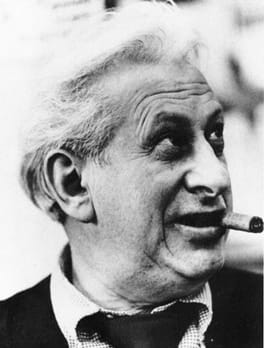
Photo: New photo / Public domain (source: Wikimedia Commons)
Born on May 16, 1912 in New York City, New York, United States, Studs Terkel was a journalist, historian and radio personality. Death is recorded on October 31, 2008, at the age of 96. Studs Terkel studied at McKinley High School and University of Chicago Law School. Recorded honors include Elijah Parish Lovejoy Award (2004), National Humanities Medal (1997), Pulitzer Prize for General Nonfiction (1985) and 5 more.
My Take
Studs Terkel is someone I hold in real reverence. Born in New York in 1912 and based in Chicago, he turned listening into an art form, building oral histories from the voices of ordinary Americans and hosting a beloved radio show for decades. His Pulitzer and Peabody were earned not by chasing the powerful but by believing that history lives in the factory worker and the housewife. That conviction moves me. In an age drowning in noise, his patient attention to other people feels more necessary than ever. He recorded a century by simply asking and truly listening, and that is profoundly cool.
This take was written by generative AI, one per person, from publicly reported facts (editorial policy). It is a reading of the record, not reporting.
1. Profile
- Name (English)
- Studs Terkel
- Name (Japanese)
- スタッズ・ターケル
- Reading
- すたっず・たーける
- Born
- May 16, 1912 – October 31, 2008
- Origin
- New York City, New York, United States
- Occupation
- journalist / historian / radio personality / writer / poet lawyer
- Zodiac / Chinese zodiac
- Taurus / Rat
2. Background
- High school
- McKinley High School
- University
- University of Chicago Law School
Awards & achievements
- 2004 Elijah Parish Lovejoy Award
- 1997 National Humanities Medal
- 1985 Pulitzer Prize for General Nonfiction
- Four Freedoms Award – Freedom of Speech
- 1999 George Polk Award
- 1998 Thomas Merton Award
- 1980 Peabody Awards
- 1981 Paul Robeson Award
3. Links
- Official sitehttp://www.studsterkel.org
- Wikipedia (English)https://en.wikipedia.org/wiki/Studs%20Terkel
- Wikipedia (Japanese)https://ja.wikipedia.org/wiki/%E3%82%B9%E3%82%BF%E3%83%83%E3%82%BA%E3%83%BB%E3%82%BF%E3%83%BC%E3%82%B1%E3%83%AB
- Wikidatahttps://www.wikidata.org/wiki/Q529276
4. About this entry
Tags
- Last updated
Facts are limited to publicly available information up to 2024; non-public or unconfirmed items are omitted. English text is machine-assisted (facts translated by Sonnet, "My Take" written by Opus 4.8). The Japanese page is the source of record.
Frequently asked questions
When was Studs Terkel born?
Studs Terkel was born on May 16, 1912.
When did Studs Terkel die?
Studs Terkel died on October 31, 2008, aged 96.
Where was Studs Terkel from?
Studs Terkel was from New York City, New York, United States.
What did Studs Terkel do?
Studs Terkel worked as journalist, historian, radio personality, writer, poet lawyer.
Where did Studs Terkel study?
Studs Terkel attended University of Chicago Law School.
Journalist — see all → · Historian — see all → · More people from the United States → · More people born on May 16 →