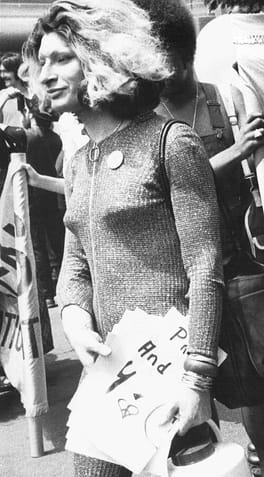
Photo: Roseleechs / CC BY-SA 4.0 (source: Wikimedia Commons)
Sylvia Rivera was credited as a LGBTQ rights activist and women's rights activist. Born on July 2, 1951, Sylvia Rivera was from New York City, New York, United States. Death is recorded on February 19, 2002, at the age of 50. Awards on record include VH1 Trailblazer Honors (2016).
My Take
Sylvia Rivera is one of those names that commands respect the moment you read it. Long before it was safe or acknowledged, she stood up for gay liberation and transgender rights from the margins of New York, fighting alongside her close friend Marsha P. Johnson for people the wider movement too often forgot. Honours like VH1's 2016 Trailblazer recognition came late and mostly posthumously, which feels fitting for someone who lived by conviction rather than applause. I find her courage almost humbling. She walked, barefoot in every sense, a path that later generations now take for granted, and that legacy outlasts any metric.
This take was written by generative AI, one per person, from publicly reported facts (editorial policy). It is a reading of the record, not reporting.
1. Profile
- Name (English)
- Sylvia Rivera
- Name (Japanese)
- シルビア・リベラ
- Reading
- しるびあ・りべら
- Born
- July 2, 1951 – February 19, 2002
- Origin
- New York City, New York, United States
- Occupation
- LGBTQ rights activist / women's rights activist
- Zodiac / Chinese zodiac
- Cancer / Rabbit
2. Background
Awards & achievements
- 2016 VH1 Trailblazer Honors
3. Links
- Wikipedia (English)https://en.wikipedia.org/wiki/Sylvia%20Rivera
- Wikipedia (Japanese)https://ja.wikipedia.org/wiki/%E3%82%B7%E3%83%AB%E3%83%93%E3%82%A2%E3%83%BB%E3%83%AA%E3%83%99%E3%83%A9
- Wikidatahttps://www.wikidata.org/wiki/Q2278761
4. About this entry
Tags
- Last updated
Facts are limited to publicly available information up to 2024; non-public or unconfirmed items are omitted. English text is machine-assisted (facts translated by Sonnet, "My Take" written by Opus 4.8). The Japanese page is the source of record.
Frequently asked questions
When was Sylvia Rivera born?
Born July 2, 1951.
When did Sylvia Rivera die?
Died February 19, 2002, aged 50.
Where was Sylvia Rivera from?
Sylvia Rivera was from New York City, New York, United States.
What did Sylvia Rivera do?
Sylvia Rivera worked as LGBTQ rights activist, women's rights activist.
LGBTQ rights activist — see all → · Women's rights activist — see all → · More people from the United States →