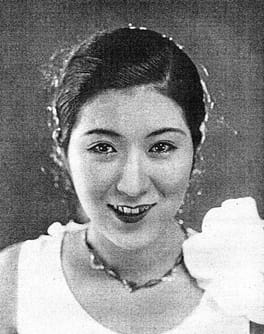
Photo: キネマ旬報 / Public domain (source: Wikimedia Commons)
My Take
Takako Irie is one of those figures who feels genuinely ahead of her time — a woman who didn't just light up the screen in prewar Japan but actually stepped behind the scenes and produced films at a point when that kind of move was nearly unthinkable for anyone, let alone a female actor. Born in 1911, she rose through the silent era and carried that screen presence into talkies, earning a reputation serious enough that people called her the queen of Japanese cinema. What gets me is the producer angle: she wasn't content to just show up and be photographed, she wanted ownership over the work itself. That kind of ambition in 1930s Japan is a whole story on its own. She lived until 1995, which means she saw Japanese cinema transform almost beyond recognition from the world she helped build. Respect.
This take was written by generative AI, one per person, from publicly reported facts (editorial policy). It is a reading of the record, not reporting.
Overview
Takako Irie (February 7, 1911 – January 12, 1995) was a Japanese actress and film producer born in Tokyo. She rose to prominence during the prewar Japanese cinema era and remained a noted figure in the domestic film industry. She passed away in January 1995.
1. Profile
- Name (English)
- Takako Irie
- Name (Japanese)
- 入江たか子
- Reading
- いりえ たかこ
- Born
- February 7, 1911 – January 12, 1995
- Origin
- Tokyo, Japan
- Occupation
- Actress / Film Producer
- Zodiac / Chinese zodiac
- Aquarius / Boar
- Active years
- 1927 - 1984
2. Works & records
Works summary
- Appearances
- 2
Filmography / notable works
| Category | Title |
|---|---|
| TV program | 日真名氏飛び出す |
| TV program | 鉄腕アトム第二部 |
3. Links
4. About this entry
Tags
- Last updated
Only publicly available facts are listed; non-public or unconfirmed items are omitted. Base data was compiled from Wikidata from June 2026 onward; ages are recalculated daily and deaths are checked against Wikidata on an ongoing basis. Works and profile fields sourced from Wikipedia reflect content as of 2026-08-26. English text is machine-assisted (facts translated by Sonnet, "My Take" written by Opus 4.8). The Japanese page is the source of record.
Frequently asked questions
When was Takako Irie born?
Takako Irie was born on February 7, 1911.
When did Takako Irie die?
Takako Irie died on January 12, 1995, aged 83.
Where was Takako Irie from?
Takako Irie was from Tokyo, Japan.
What did Takako Irie do?
Takako Irie worked as Actress, Film Producer.
When was Takako Irie active?
Takako Irie was active from 1927 to 1984.
Actress — see all → · Film Producer — see all → · More people from Japan → · More people born on February 7 →