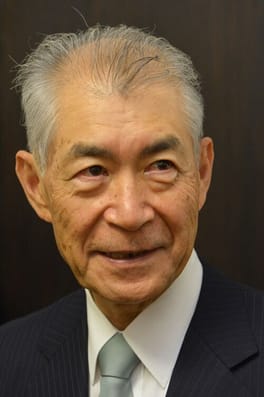
Photo: 大臣官房人事課 / CC BY 4.0 (source: Wikimedia Commons)
Tasuku Honjo, born on January 27, 1942 in Kyoto, Kyoto Prefecture, Japan, is an immunologist, biochemist and university teacher. As of 2026, Tasuku Honjo is 84 years old. Schooling on record includes Yamaguchi Prefectural Ube High School and Kyoto University. Listed accolades include Tang Prize (2014), Asahi Prize (1981), Imperial Prize of Japan Academy (1996) and 5 more.
My Take
To me, Tasuku Honjo represents the quiet heroism of basic science. Born in Kyoto in 1942 and trained at Kyoto University, he spent decades pursuing immunology, and his identification of PD-1 ultimately rewrote how we treat cancer, earning him the 2018 Nobel Prize among a glittering list of honors. But what truly moves me is not the medals; it is the patience. Research dismissed as impractical can, decades later, save millions of lives. Honjo embodies that long game, and I find his persistence far more inspiring than any single award. He is, to my mind, one of Japan's great minds.
This take was written by generative AI, one per person, from publicly reported facts (editorial policy). It is a reading of the record, not reporting.
1. Profile
- Name (English)
- Tasuku Honjo
- Name (Japanese)
- 本庶佑
- Reading
- ほんじょ たすく
- Born
- January 27, 1942 (age 84)
- Origin
- Kyoto, Kyoto Prefecture, Japan
- Occupation
- immunologist / biochemist / university teacher / physician
- Zodiac / Chinese zodiac
- Aquarius / Horse
2. Background
- High school
- Yamaguchi Prefectural Ube High School
- University
- Kyoto University
Awards & achievements
- 2014 Tang Prize
- 1981 Asahi Prize
- 1996 Imperial Prize of Japan Academy
- 2000 Person of Cultural Merit
- 2012 Robert Koch Prize
- 2013 Order of Culture
- 2014 William B. Coley Award
- 2016 Keio Medical Science Prize
3. Links
- Xhttps://x.com/HonjoTasuku
- Wikipedia (English)https://en.wikipedia.org/wiki/Tasuku%20Honjo
- Wikipedia (Japanese)https://ja.wikipedia.org/wiki/%E6%9C%AC%E5%BA%B6%E4%BD%91
- Wikidatahttps://www.wikidata.org/wiki/Q2395341
4. About this entry
Tags
- Last updated
Facts are limited to publicly available information up to 2024; non-public or unconfirmed items are omitted. English text is machine-assisted (facts translated by Sonnet, "My Take" written by Opus 4.8). The Japanese page is the source of record.
Frequently asked questions
When was Tasuku Honjo born?
Tasuku Honjo was born on January 27, 1942 and is 84 years old.
Where is Tasuku Honjo from?
Tasuku Honjo is from Kyoto, Kyoto Prefecture, Japan.
What does Tasuku Honjo do?
Tasuku Honjo works as immunologist, biochemist, university teacher, physician.
Where did Tasuku Honjo study?
Tasuku Honjo attended Kyoto University.
Biochemist — see all → · More people from Japan → · More people born on January 27 →