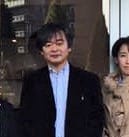
Photo: さかきばらたいら / CC BY-SA 4.0 (source: Wikimedia Commons)
My Take
Tetsuya Ukai is the kind of architect you probably walk past the work of without knowing his name, and his Kariya Highway Oasis is exactly that kind of building. Born in Kariya, Aichi in 1966, he made it to the University of Tokyo, which tells you everything about the sheer grit behind the quiet exterior. Architecture isn't glamorous work; it's decades of accumulating expertise, understanding how people actually move through space, how a building ages, how a neighborhood breathes. He strikes me as the slow-burn type: years at Kenzo Tange's office, his own practice from 1992, and now a professorship at Kyushu University. I kind of respect a professional who lets the buildings do the talking.
This take was written by generative AI, one per person, from publicly reported facts (editorial policy). It is a reading of the record, not reporting.
Overview
Tetsuya Ukai (born 1966) is a Japanese architect from Kariya, Aichi Prefecture, and a professor at the Faculty of Design, Kyushu University. After graduating from the University of Tokyo's Department of Architecture in 1990, he worked at Kenzo Tange Associates on projects including the Fuji Television headquarters in Odaiba, founded his own office in 1992 and completed a master's degree at the University of Tokyo in 1995. His works include the Kariya Highway Oasis and the Mokkuru Shinshiro roadside station.
1. Profile
- Name (English)
- Tetsuya Ukai
- Name (Japanese)
- 鵜飼哲矢
- Reading
- うかい てつや
- Born
- 1966
- Origin
- Kariya, Aichi Prefecture, Japan
- Occupation
- Architect
- Zodiac / Chinese zodiac
- Horse
2. Background
- University
- University of Tokyo
3. Links
- Wikipedia (Japanese)https://ja.wikipedia.org/wiki/%E9%B5%9C%E9%A3%BC%E5%93%B2%E7%9F%A2
- Wikidatahttps://www.wikidata.org/wiki/Q11675763
4. About this entry
Tags
- Last updated
Only publicly available facts are listed; non-public or unconfirmed items are omitted. Base data was compiled from Wikidata from June 2026 onward; ages are recalculated daily and deaths are checked against Wikidata on an ongoing basis. English text is machine-assisted (facts translated by Sonnet, "My Take" written by Opus 4.8). The Japanese page is the source of record.
Frequently asked questions
Where is Tetsuya Ukai from?
Tetsuya Ukai is from Kariya, Aichi Prefecture, Japan.
What does Tetsuya Ukai do?
Tetsuya Ukai works as Architect.
Where did Tetsuya Ukai study?
Tetsuya Ukai attended University of Tokyo.