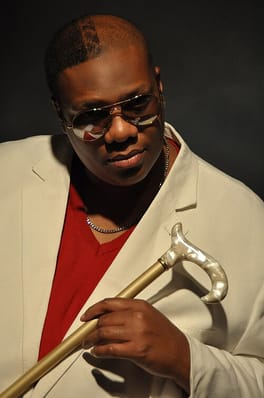
Photo: Robert Klein / CC BY-SA 3.0 (source: Wikimedia Commons)
The Mad Stuntman is listed as a singer and songwriter. Born on January 24, 1966, The Mad Stuntman is from Trinidad and Tobago. The age as of 2026 is 60.
My Take
The Mad Stuntman, born Mark Quashie in Trinidad, is exactly the kind of artist I love digging into: a voice everyone recognises attached to a name almost nobody knows. Even his stage name is a delight, borrowed from a cheesy 1980s show about a stuntman moonlighting as a bounty hunter. He belongs to that golden era of 1990s dance music where the vocalist was the engine but rarely the star. I admire performers who shape a sound without chasing the spotlight, and Quashie did just that, lending infectious energy to records that got the whole world moving on the dance floor.
This take was written by generative AI, one per person, from publicly reported facts (editorial policy). It is a reading of the record, not reporting.
1. Profile
- Name (English)
- The Mad Stuntman
- Name (Japanese)
- ザ・マッド・スタントマン
- Reading
- ざ・まっど・すたんとまん
- Born
- January 24, 1966 (age 60)
- Origin
- Trinidad and Tobago
- Occupation
- singer / songwriter
- Zodiac / Chinese zodiac
- Aquarius / Horse
2. Links
3. About this entry
Tags
- Last updated
Facts are limited to publicly available information up to 2024; non-public or unconfirmed items are omitted. English text is machine-assisted (facts translated by Sonnet, "My Take" written by Opus 4.8). The Japanese page is the source of record.
Frequently asked questions
When was The Mad Stuntman born?
The Mad Stuntman was born on January 24, 1966 and is 60 years old.
Where is The Mad Stuntman from?
The Mad Stuntman is from Trinidad and Tobago.
What does The Mad Stuntman do?
The Mad Stuntman works as singer, songwriter.
Singer — see all → · Songwriter — see all → · More people from Trinidad and Tobago →