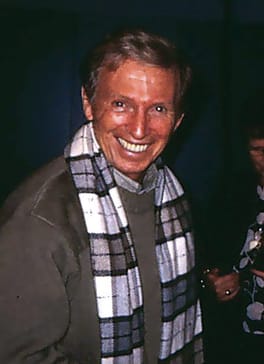
Photo: BKP / CC BY-SA 3.0 (source: Wikimedia Commons)
Tommy Steele is listed as a singer, songwriter and film actor. Tommy Steele was born in Bermondsey, United Kingdom on December 17, 1936. The age as of 2026 is 89. Education on record includes Bacon's College. Awards on record include Officer of the Order of the British Empire and Knight Bachelor.
My Take
Tommy Steele fascinates me as a genuine pioneer rather than a mere idol. Britain's first homegrown rock and roll star, discovered in a Soho coffee bar, he didn't just imitate the Americans; he gave the UK its own teenage voice with songs like Singing the Blues. What I admire most is his refusal to stay in one lane. Singer, songwriter, beloved stage performer, and even a sculptor in later life, he kept reinventing himself across decades. The knighthood feels earned, not ceremonial. I have a soft spot for entertainers who treat versatility as a duty rather than a gimmick, and Steele clearly did.
This take was written by generative AI, one per person, from publicly reported facts (editorial policy). It is a reading of the record, not reporting.
1. Profile
- Name (English)
- Tommy Steele
- Name (Japanese)
- トミー・スティール
- Reading
- とみー・すてぃーる
- Born
- December 17, 1936 (age 89)
- Origin
- Bermondsey, United Kingdom
- Occupation
- singer / songwriter / film actor / guitarist / sculptor
- Zodiac / Chinese zodiac
- Sagittarius / Rat
2. Background
- University
- Bacon's College
Awards & achievements
- Officer of the Order of the British Empire
- Knight Bachelor
3. Links
4. About this entry
Tags
- Last updated
Facts are limited to publicly available information up to 2024; non-public or unconfirmed items are omitted. English text is machine-assisted (facts translated by Sonnet, "My Take" written by Opus 4.8). The Japanese page is the source of record.
Frequently asked questions
When was Tommy Steele born?
Born December 17, 1936 (age 89).
Where is Tommy Steele from?
Tommy Steele is from Bermondsey, United Kingdom.
What does Tommy Steele do?
Tommy Steele works as singer, songwriter, film actor, guitarist, sculptor.
Singer — see all → · Songwriter — see all → · More people from the United Kingdom →