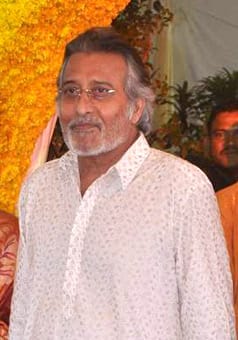
Photo: Bollywood Hungama / CC BY 3.0 (source: Wikimedia Commons)
Vinod Khanna, born on October 6, 1946 in Peshawar, Khyber Pakhtunkhwa, Pakistan, was a film actor, politician and film producer. Vinod Khanna died on April 27, 2017 at the age of 70. Education on record includes Sydenham College. Awards on record include Filmfare Lifetime Achievement Award (1999).
My Take
Vinod Khanna interests me as one of Hindi cinema's great almost-mythic careers. Born in Peshawar in 1946 and displaced to Bombay as a child, he entered films through villain and supporting parts and still became one of the most magnetic leading men India ever produced, a genuine style icon who could rival the biggest stars of his era. Then he stepped away at his peak for a spiritual life, returned, and reinvented himself again as a politician. The 1999 Filmfare Lifetime Achievement Award barely covers the range. I admire people who treat one life as several films, and Khanna lived exactly that way.
This take was written by generative AI, one per person, from publicly reported facts (editorial policy). It is a reading of the record, not reporting.
1. Profile
- Name (English)
- Vinod Khanna
- Name (Japanese)
- ヴィノード・カーンナ
- Reading
- ゔぃのーど・かーんな
- Born
- October 6, 1946 – April 27, 2017
- Origin
- Peshawar, Khyber Pakhtunkhwa, Pakistan
- Occupation
- film actor / politician / film producer / television actor / actor
- Zodiac / Chinese zodiac
- Libra / Dog
2. Background
- University
- Sydenham College
Awards & achievements
- 1999 Filmfare Lifetime Achievement Award
3. Links
4. About this entry
Tags
- Last updated
Facts are limited to publicly available information up to 2024; non-public or unconfirmed items are omitted. English text is machine-assisted (facts translated by Sonnet, "My Take" written by Opus 4.8). The Japanese page is the source of record.
Frequently asked questions
When was Vinod Khanna born?
Born October 6, 1946.
When did Vinod Khanna die?
Died April 27, 2017, aged 70.
Where was Vinod Khanna from?
Vinod Khanna was from Peshawar, Khyber Pakhtunkhwa, Pakistan.
What did Vinod Khanna do?
Vinod Khanna worked as film actor, politician, film producer, television actor, actor.
Film actor — see all → · Politician — see all → · More people from Pakistan →